
How Long Can You Be on Sick Leave Before Dismissal UK – 2025 Legal Guide
Last Updated on
There is no fixed number of weeks after which a UK employer must dismiss someone on sick leave. Dismissal is fair only if the employer has followed a proper process, considered medical evidence, made reasonable adjustments, and can show the absence has become unsustainable for the business, usually only after long-term sickness of several months or more.
Key takeaways:
- Statutory Sick Pay pays £123.25 a week, or 80% of average earnings if lower, from day one of illness for up to 28 weeks under 2026/27 rules.
- Employees currently need two years of service to claim ordinary unfair dismissal in an employment tribunal, falling to six months from 1 January 2027.
- Absence of four weeks or more is generally treated as long-term sickness, though dismissal is rarely reasonable this early without full medical review.
- From 1 October 2026, the deadline to bring most unfair dismissal tribunal claims doubles from three to six months less one day, for events after that date.
How Long Can You Be on Sick Leave Before Dismissal UK?
Duration of sick leave is varied by employer custom, bargaining, and law. It’s weeks or months, and where longer periods are in question, there may be a requirement for medical sanction.
Four weeks or more is when the absence is long-term sick leave. Employers monitor at this point, but are not in favor of dismissal recovery and adjustment are the issue.
Fit notes signed by your General Practitioner will usually be needed, and occupational health can be included. Flexible working hours or a return to work on a phased basis can be accommodated.
Company sick pay or Statutory Sick Pay, where applicable, can be accessed. Informing HR or your manager will facilitate support provided during recovery.
The genuine period is available for medical advice, recovery, and assistance at work, aiming to a sustainable and safe return to work.
Sick Leave under UK Employment Law
Sick leave employment law is not just filling in forms; it’s a mixture of statutory rights, medical rules, and workplace protection designed to protect employees and hold the employer accountable. This is how the laws are divided in the UK:
1. Statutory Sick Pay (SSP)
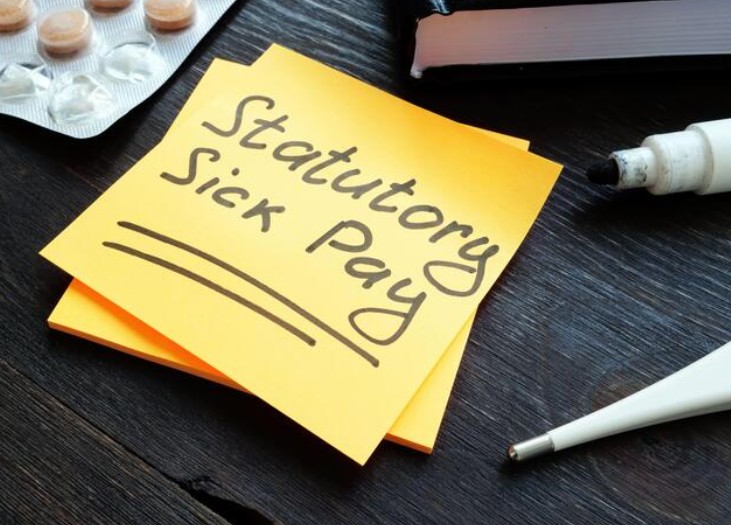
Social Security Contributions and Benefits Act 1992: For 2026/27, SSP is £123.25 a week, or 80% of average weekly earnings if lower, paid from the first day of illness for up to 28 weeks. The previous lower earnings limit has been removed, so entitlement no longer depends on a minimum weekly wage.
2. Medical Certification
Employees can self-certify sickness for the first 7 days off work; a fit note (Statement of Fitness for Work) is needed for absences beyond that. Fit notes can be issued by GPs and, since reforms widened who can certify, also by registered nurses, occupational therapists, pharmacists, and physiotherapists.
3. Contractual Sick Pay
Employment Rights Act 1996: Most employers offer better company sick pay schemes, which they are legally required to deliver.
4. Disability Protections
Equality Act 2010: Employers have to make reasonable adjustments (variable hours, staged return, role change) to avoid disability discrimination.
5. Job Security & Fair Dismissal
Employment Rights Act 1996 + ACAS Code: Medical grounds and a fair process must be in place for dismissal to be reasonable, or it risks an unfair dismissal claim. Employees currently need two years’ continuous service to bring an ordinary unfair dismissal claim; this falls to six months’ service from 1 January 2027 under the Employment Rights Act 2025, bringing many more sickness-related dismissals within tribunal reach much sooner.
6. Health & Safety Duties
Health and Safety at Work Act 1974: Wellbeing must be safeguarded by employers, stress must be controlled, and occupational health assistance must be taken into account.
Termination on Sick Leave
Dismissal while on sick leave is permitted if it is done on reasonable grounds, in good cause, misconduct, redundancy, or in breach of contract on employment law grounds.
It is their responsibility as employers to take medical evidence into account, scrutinize fit notes, and, where necessary, refer to occupational health prior to making a decision.
They should also make reasonable adjustments such as lighter work, flexible work, or phased returns in case of an illness that is comparable to a disability under the Equality Act.
In the event that an employer does not adopt these steps and goes ahead with dismissal immediately, the dismissal would be unfair or discriminatory. In this case, employees can make a complaint or even present their grievance with an employment tribunal.
The advice of a union or the law can notify employees of their rights and challenge a wrongful dismissal.
When Is Dismissal Contemplated?
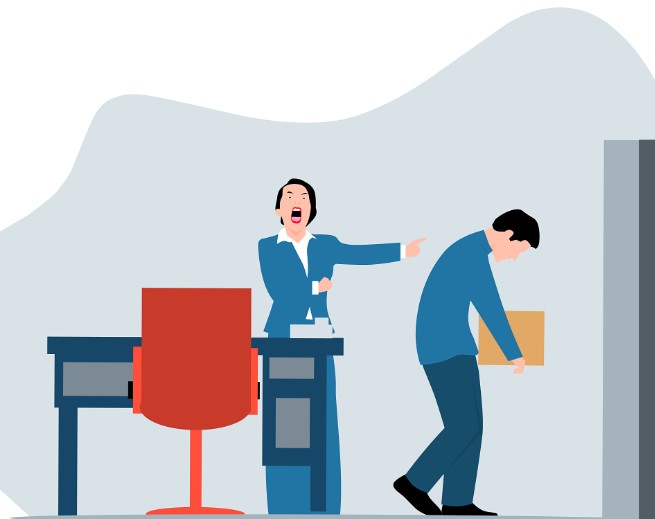
Dismissal during sick leave is considered if the absence is prolonged, reasonable adjustments cannot be made, or the role effect is extreme under the law of fair dismissal.
Dismissal would be considered by the employers when medical evidence is conclusively clear that no reasonable return to work can be achieved.
Before considering dismissal, reasonable adjustments would be explored, i.e., flexible working, lighter work, phased returns, or redeployment to an alternative job.
Only where the alternative solutions fail and the absence continues to impact on the role or business can dismissal fall under the fair dismissal law.
During the process, effective communication, minutes of meetings and decisions taken accordingly, and adherence to company procedure are needed.
What Protections Do Employees Have?
Employees have legal protections such as anti-discrimination, minimum wage, overtime, conditions of work, family leave, whistleblower protection, and protection against retaliation.
Protection from ordinary unfair dismissal currently requires two years’ continuous service, though this falls to six months from 1 January 2027. Rights against disability discrimination start from day one, with employers obligated to make reasonable adjustments as soon as possible, regardless of length of service.
A right of appeal against unfair dismissal exists before a tribunal after becoming eligible. Other protections include pay equity, working hours, terms of work, sick leave, and flexible working.
Employment law also discourages harassment, bullying, and discrimination so that the workplace is respectful and inclusive. Whistleblower protection allows employees to report misbehaviour without fear.
Overall, such protections give employers the confidence that their rights are being protected right from day one to long service, guaranteeing equity, safety, and security in employment.
Sick Leave vs Risk of Dismissal in the UK
In the UK, very high levels of sickness absence may trigger the risk of dismissal; employers weigh absence frequency, medical proof, and statutory entitlements before taking action.
| Sick Leave | Duration | Dismissal Risk | Employer Action |
| Short-Term Sick Leave | Up to 4 weeks | Very Low | Request fit note, pay SSP, minimal intervention |
| Long-Term Sick Leave | 1–6 months | Low to Moderate | Review medical reports, provide adjustments |
| Extended Sick Leave | 6 months – 1 year+ | Higher, must follow fair process | Assess prognosis, discuss options, and consider fair dismissal |
Recent Changes in Employment Rights
Several changes under the Employment Rights Act 2025 directly affect sick leave and dismissal, and are rolling out in stages through 2026 and 2027.
From 6 April 2026, Statutory Sick Pay rose to £123.25 a week (or 80% of average weekly earnings if lower), payable from the first day of illness rather than after a waiting period, with the previous lower earnings limit removed so more low-paid and part-time workers qualify. The maximum entitlement remains 28 weeks.
From 1 January 2027, the qualifying period for an ordinary unfair dismissal claim falls from two years to six months’ continuous service, and the statutory cap on unfair dismissal compensation is being removed entirely.
This will apply to employees already in the job at that date, so anyone who started work from around mid-2026 onward could gain protection once the change takes effect.
From 1 October 2026, the time limit to bring most employment tribunal claims, including unfair dismissal, doubles from three months less one day to six months less one day, giving dismissed employees considerably longer to seek advice and decide whether to claim.
The Fair Work Agency, a new enforcement body, also became operational from April 2026 and has powers to investigate underpayment of Statutory Sick Pay and other statutory entitlements.
How Does Managing Sickness Absence Impact SMEs and Diverse Business Operations?
Long-term sick leave management demands a balance between legal compliance and operational continuity. Across all business models, from lean startups to localized brick-and-mortar stores, employers must enforce structured capability processes and reasonable adjustments to mitigate escalating employment tribunal risks.
-
SMEs and Micro-Businesses: Lacking dedicated HR resources, small teams face severe productivity bottlenecks and financial strain when key staff are absent long-term.
-
Startups and Digital Enterprises: Minimal staffing redundancy means extended leave disrupts core deliverables, requiring careful management of statutory sick pay and workload distribution.
-
Brick-and-Mortar Operations: Frontline staffing gaps directly affect daily customer service and payroll margins, necessitating structured phased returns and flexible schedules.
-
B2B and B2C Service Providers: Specialized roles are difficult to backfill, directly influencing the legal threshold for when an absence becomes unsustainable.
-
Legal & Financial Risk: Evolving employment laws, including reduced qualifying periods for unfair dismissal and extended tribunal claim windows, expose businesses of all sizes to heightened litigation risks if capability procedures are mishandled.
Conclusion
If you’re facing dismissal while off sick: request copies of any medical evidence your employer holds, ask what adjustments were considered, keep your own record of contact and fit notes, and get advice from ACAS, a union, or a solicitor before any formal meeting.
If you’ve already been dismissed, note the date, under current rules, you generally have three months less one day to lodge an employment tribunal claim (six months less one day for events from 1 October 2026).
Disclaimer: This article is for informational purposes only and does not constitute formal legal advice; consult ACAS, a trade union, or a qualified employment solicitor for guidance on your specific situation.
FAQs
Can I be dismissed for long-term sick leave in the UK?
Yes, but only if your employer has followed a fair process, gathering medical evidence, consulting you, and exploring reasonable adjustments or alternative roles, before concluding your return to work isn’t realistically achievable.
How long are you allowed to be off sick in the UK?
There’s no fixed cap. Statutory Sick Pay covers up to 28 weeks, but dismissal timing depends on medical prognosis, job impact, and whether your employer has properly explored adjustments and alternatives first.
What happens after 6 months of sick pay?
After roughly six months, SSP is around halfway through its 28-week limit. Employers usually review medical evidence and prognosis at this stage, and may start formal capability or ill-health procedures if recovery remains unclear.
What are the 5 fair reasons for dismissal in the UK?
Under the Employment Rights Act 1996, fair dismissal grounds are capability (including long-term illness), conduct, redundancy, statutory illegality, or some other substantial reason. Long-term sickness dismissals fall under the capability category.
Can my employer sack me while I’m on long-term sick leave without warning?
No. Employers must first gather medical evidence, consult you about your condition and return-to-work prospects, and consider reasonable adjustments. Dismissing without this process risks an unfair dismissal or discrimination claim.
Does long-term sickness count as a disability under UK law?
It can. If your condition has lasted or is expected to last 12 months and substantially affects daily activities, it may meet the Equality Act 2010 disability definition, triggering a duty to make reasonable adjustments.
Will the two-year unfair dismissal qualifying period change?
Yes. From 1 January 2027, the qualifying period for ordinary unfair dismissal claims falls from two years’ service to six months, giving far more employees dismissed during sick leave tribunal protection much sooner.