What Is a Notary Public? Complete UK Guide to Foreign Documents, Costs, and Apostilles
A notary public in the UK is a specialist legal professional appointed by the Court of Faculties of the Archbishop of Canterbury.
Their primary role is to authenticate signatures, verify legal identities, and certify official documents so they are legally recognised in foreign jurisdictions outside England and Wales.
Key Takeaways:
-
Notaries public are independent legal officers appointed by the Court of Faculties and regulated by the Master of the Faculties.
-
Standard UK solicitors, doctors, and post office staff cannot automatically perform notarial acts for international jurisdictions.
-
Typical fees for personal document notarisation range from £60 to £120, excluding third-party FCDO apostille costs.
-
Foreign authorities frequently require both a notary seal and an FCDO apostille or embassy legalisation to validate overseas paperwork.
What Is a Notary Public UK?
At its core, a UK notary public is an impartial legal officer who validates documents for international use.
Regulated by the Master of the Faculties, they certify facts, authenticate identity, and apply an official seal that foreign governments, registries, and courts accept as legal proof.
Although the office traces its origin back to ecclesiastical roots, modern UK notaries operate within a strict secular framework.
When legal paperwork crosses international borders, foreign authorities cannot easily verify standard domestic instruments. The notary’s seal serves as a globally trusted certificate of authenticity.
To ensure compliance with strict legal standards, notaries in England and Wales must:
-
Maintain professional indemnity insurance.
-
Keep client funds segregated in designated client accounts.
-
Complete mandatory continuous professional development (CPD) annually.
-
Maintain absolute impartiality toward every transaction they certify.
What Does a Notary Public Do?
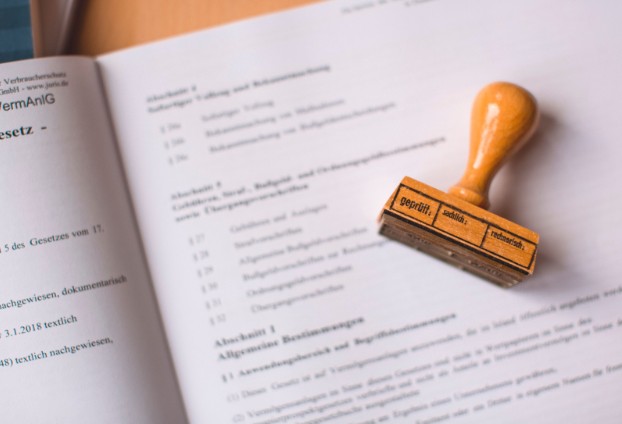
A notary public authenticates signatures, administers sworn oaths, witnesses powers of attorney, and certifies commercial documents for foreign use.
They act as impartial public officers who verify the identity, legal capacity, and willingness of parties executing international legal instruments.
The daily responsibilities of a UK notary public focus on non-contentious legal administration intended for overseas utility. Key legal duties include:
-
Verify Signatory Identity: Examine original photographic identification, such as passports or photocard driving licences, alongside current proof of address.
-
Assess Legal Capacity: Ensure that individuals signing corporate documents or powers of attorney possess the mental and legal authority to do so.
-
Administer Oaths and Affidavits: Witness sworn statements, statutory declarations, and affirmations intended for foreign court proceedings.
-
Draft and Witness Powers of Attorney: Prepare or review legal instruments allowing overseas representatives to manage property or financial assets.
-
Authenticate Commercial Records: Verify corporate structures, certificates of incorporation, and board resolutions for international trade expansion.
-
Issue Notarial Certificates: Bind verified documents together with an official ribbon, signature, and embossed metallic or inked seal.
Is a Solicitor the Same as a Notary Public in the UK?
No, a solicitor is not the same as a notary public in the UK. While some notaries are dual-qualified as solicitors, they belong to separate legal branches with distinct regulators.
Standard UK solicitors represent clients in domestic legal issues, such as workplace disputes handled by no win no fee employment solicitors, whereas notaries focus purely on international document authentication and serve as impartial public officers.
A standard UK solicitor regulated by the Solicitors Regulation Authority (SRA) is not automatically authorized to perform notarial acts. Becoming a notary requires independent postgraduate legal training and a separate practising certificate from the Faculty Office.
| Feature | UK Solicitor | Notary Public UK |
| Governing Body | Solicitors Regulation Authority (SRA) | Faculty Office of the Archbishop of Canterbury |
| Core Jurisdiction | Domestic UK legal frameworks and court litigation | International jurisdictions and cross-border commerce |
| Client Relationship | Acts as an advocate representing the client’s best interests | Acts as an impartial public officer serving the transaction |
| Global Acceptance | Restricted primarily to domestic or common UK matters | Backed by a seal recognized worldwide under international law |

Who Is Classed as a Notary Public in the UK?
Only individuals holding a current practising certificate issued by the Faculty Office of the Archbishop of Canterbury are legally recognized as UK notaries public. Doctors, teachers, and post office workers cannot perform international notarial acts or apply official legal seals.
A common point of confusion is assuming local public officials can execute international paperwork. The UK legal system maintains strict boundaries:
-
Qualified Notaries Public: Authorized officers who have completed postgraduate training in private international law and received a faculty appointment.
-
General Practitioners (Doctors): Cannot execute international notarial acts or apply legal seals.
-
Post Office Staff: Restricted strictly to basic domestic identity counters; they hold no standing for foreign jurisdictions.
-
School Teachers: Academic staff cannot verify corporate or personal legal instruments for foreign registries.
When Does One Need a Notary Public in the UK?
You will generally need the services of a UK notary public whenever a domestic legal document, personal record, or corporate filing needs to be officially used, submitted, or enforced in a foreign jurisdiction.
Because foreign governments and registries cannot easily verify standard UK documents on their own, they rely on the notary’s seal as proof of legal validity.
Key scenarios where a notary public is required include:
-
Cross-Border Property Transactions: Buying, selling, or transferring real estate located abroad (often requiring a notarised Power of Attorney).
-
International Business & Trade: Expanding corporate entities overseas, opening foreign bank accounts, or certifying board resolutions and certificates of incorporation.
-
Overseas Employment & Immigration: Emigrating, applying for work visas abroad, or verifying educational qualifications for foreign employers.
-
Foreign Family & Estate Matters: Executing international wills, managing probate involving foreign assets, or obtaining permission for a child to travel internationally with one parent.
-
International Litigation: Submitting affidavits, statutory declarations, or sworn witness statements to foreign courts.
How Do They Operate?
A UK notary public operates through a standardized procedure designed to meet international legal standards.
Unlike standard domestic legal processes, the operational focus of a notary is on ensuring absolute authenticity, impartiality, and compliance with foreign legal requirements.
-
Client Instruction & Document Review: The notary first examines the documents, assesses foreign legal requirements, and confirms whether third-party legalisation (such as an FCDO Apostille) is necessary.
-
Identity & Capacity Verification: Prior to signing, the notary verifies the client’s identity using official photo ID and proof of address. They also assess whether the signatory possesses full legal capacity and understands the implications of the document.
-
Execution & Witnessing: The document must be signed directly in the notary’s presence. For corporate clients, the notary confirms board authority and company registration status.
-
Attestation & Sealing: The notary attaches a formal Notarial Certificate, signs the document, and applies their unique, registered metallic or ink seal.
-
Record Keeping: By law, notaries maintain a permanent protocol (a formal register) and retain copies of all authenticated documents to allow foreign bodies to verify legitimacy in the future.
What Are the Legal Documents Needed for an Appointment?
To complete a notarisation appointment, clients must present valid photographic identity documents, recent proof of address, the core document requiring authentication, and any specific instructions provided by the foreign receiving legal counsel.
The essential legal documents needed typically fall into three primary categories:
1. Identity & Verification Documents
-
Proof of Primary Identity: Original valid Passport, UK Photocard Driving Licence, or National Identity Card.
-
Proof of Residential Address: Recent utility bill, bank statement, or council tax bill (usually issued within the last 3 months).
2. The Core Document Requiring Notarisation
-
Personal Documents: Passports, academic degree certificates, birth/marriage/change of name certificates, police clearance records (DBS checks), or medical reports.
-
Legal Instruments: Powers of Attorney, foreign property deeds, sworn affidavits, statutory declarations, or adoption papers.
-
Corporate Documents: Certificates of Incorporation, Articles of Association, Good Standing Certificates, Board Resolutions, Power of Attorney for company directors, or audited financial statements.
3. Supporting & Contextual Information
-
Instructions from Foreign Lawyers: Any specific guidance or drafts provided by the overseas authority receiving the document (to ensure compliance with local laws).
-
Corporate Authority Proof: If signing on behalf of a company, proof of signing authority (e.g., Companies House filings or board minutes) is required.
How Much Does a Notary Cost in the UK?
Standard personal document notarisation in the UK costs between £60 and £120 per document. Complex legal drafting or corporate certifications cost between £150 and £350+, excluding third-party fees for government apostilles or courier services.
Notaries operate as independent fee-earning legal practitioners. Total costs depend on complexity, volume, and urgency:
| Service Type | Typical Fee Range | Primary Cost Factors |
| Standard Personal Verification | £60 – £120 | Single-page passport copies, academic certificates, or simple witness signatures |
| Complex Legal Drafting | £150 – £350+ | Bespoke powers of attorney, corporate resolutions, and multi-party declarations |
| Third-Party Disbursements | Variable (£30 – £150+) | FCDO apostille fees, courier costs, and foreign embassy legalisation charges |
What Is the Difference Between a Notary Public and an Apostille?
Clients frequently encounter confusion regarding the boundary between notarisation and legalisation. Notarisation is merely the foundational first step of a multi-tiered authentication chain.
| Feature | Notary Public | Apostille |
| What It Is | A qualified legal professional (a public officer appointed by the Court of Faculties). | An official government certificate (a paper document physically attached to legal paperwork). |
| Who Issues It | An independent, regulated UK Notary Public. | The Foreign, Commonwealth & Development Office (FCDO) Legalisation Office. |
| Primary Purpose | Verifies the identity of the signer, witnesses signatures, and authenticates the original document’s execution. | Verifies that the signature and seal of the Notary Public (or public official) on the document are authentic. |
| Authentication Stage | Stage 1 (Primary Verification): Done first at the local/individual level. | Stage 2 (Government Legalisation): Done second at the state/national level. |
| Scope of Authority | Validates private agreements, identities, capacity, and corporate records. | Validates state/government recognition for international use under the 1961 Hague Convention. |
| Typical Cost in the UK | £60 – £120+ per document (set by the individual notary practice). | £45 (Standard 20-day postal service) or £40 (e-Apostille) directly from the FCDO, plus courier charges. |
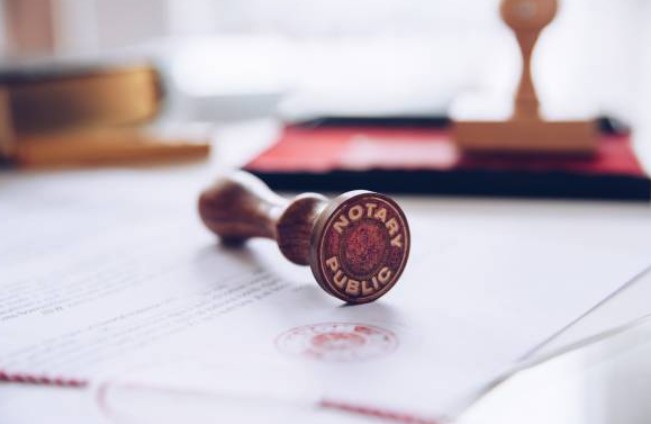
| Physical Appearance | Embossed metallic seal, ink stamp, ribbon, and signature on the original document. | A standardized square paper certificate attached directly to the back of the notarised document. |
How They Work Together?
- Stage One (Notarisation): The UK notary public verifies the identity of the signer, witnesses the execution of the document, and applies their unique official seal.
- Stage Two (FCDO Apostille): For nations party to the Hague Convention, the notarised document must be submitted to the Foreign, Commonwealth & Development Office (FCDO) to receive an apostille certificate, which authenticates the notary’s public status.
- Stage Three (Consular Attestation): If the destination country is not a signatory to the Hague Convention, the paperwork requires further endorsement through that specific nation’s London embassy or consulate.
Can I Get a Notarisation Online in the UK?
While UK notaries can perform remote identity checks and witness electronic signatures using video links, remote notarisation is only valid if the receiving foreign authority accepts digital seals.
Many overseas land registries and courts still require traditional wet-ink signatures and physical embossed seals.
Always check with your overseas legal advisor before scheduling a digital notarisation session to ensure electronic execution will be accepted in the destination jurisdiction.
Preparation checklist for Your Notary Appointment
Before attending a UK notary appointment, verify foreign legalisation requirements, gather valid primary ID and proof of address, confirm who has authority to sign corporate documents, and request a fixed fee breakdown including third-party apostille costs.
-
Confirm whether the receiving country requires an FCDO Apostille or embassy legalisation.
-
Obtain specific drafting instructions or templates from your foreign lawyer.
-
Bring original photo ID (Passport or Driving Licence) and a utility bill under 3 months old.
-
Ensure all company signatories have verified Companies House authorization for corporate documents.
-
Clarify overall fees, including third-party disbursements, prior to the appointment.
How Does a Notary Public Impact SMEs, Startups, and Global Business Operations?
A notary public validates corporate identities, signatures, and legal documents so UK businesses can legally trade, hire, open bank accounts, and expand overseas.
Notarial authentication prevents foreign contract rejections, safeguards against cross-border fraud, and ensures smooth international compliance.
-
Operational Expansion: Authenticates overseas subsidiary setups, foreign bank accounts, and corporate powers of attorney.
-
Financial Protection: Eliminates costly delays and voided contracts by ensuring foreign legal compliance on the first filing.
-
Workflow Speed: Prevents global supply chain, M&A, and international visa bottlenecks through timely verification.
-
Risk & Fraud Mitigation: Provides legally binding identity and authority checks recognized by foreign courts and registries.
-
Global Credibility: Establishes instant trust with foreign regulators, vendors, and partners to accelerate market entry.
Conclusion
Dealing with overseas legal paperwork calls for strict adherence to formal authentication standards. A notary public UK provides the essential bridge between domestic paperwork and foreign legal acceptance through verified seals and impartial oversight.
When preparing documents for overseas use, verify whether your destination requires a simple notarisation or a subsequent FCDO apostille, and ensure you engage a qualified practitioner regulated by the Faculty Office.
Disclaimer: This article is for informational purposes only and does not constitute legal advice; please consult a qualified notary or legal practitioner for specific guidance.
FAQ
Who qualifies as a notary public in the UK?
Candidates must complete rigorous postgraduate academic training in English law, finish a specialised notarial practice course through the Faculty Office, pass comprehensive background checks, and maintain professional indemnity insurance.
Is a solicitor the same as a notary public in the UK?
No. Although many notaries also practice as high-street solicitors, the two are entirely distinct professions governed by separate regulatory bodies and differing operational scopes.
How much does a notary cost in the UK?
Standard fees generally range between £60 and £250 depending on document complexity and volume, excluding separate third-party disbursements for government apostilles or embassy legalisation.
Can a UK notary notarise a US document?
Yes. UK notaries regularly authenticate documents destined for use in the United States by verifying the identity and capacity of the signatory according to international protocol.
Is the post office or a doctor a notary public in the UK?
No. Local post office staff, general practitioners, and school teachers hold no public notary powers and cannot execute valid international notarial acts under UK law.
What does a notary public do in the UK?
They authenticate signatures, administer oaths, witness powers of attorney, and verify corporate records to ensure legal instruments are accepted seamlessly by foreign authorities.
How long does notarisation take in the UK?
Standard in-person document witnessing can be completed during a single appointment, though total turnaround times extend if FCDO apostille processing or embassy submission is required.
Do notaries provide legal advice on foreign laws?
No, Notaries focus on verifying facts, identities, and execution validity rather than providing advisory counsel on foreign legal codes, often coordinating directly with overseas lawyers.