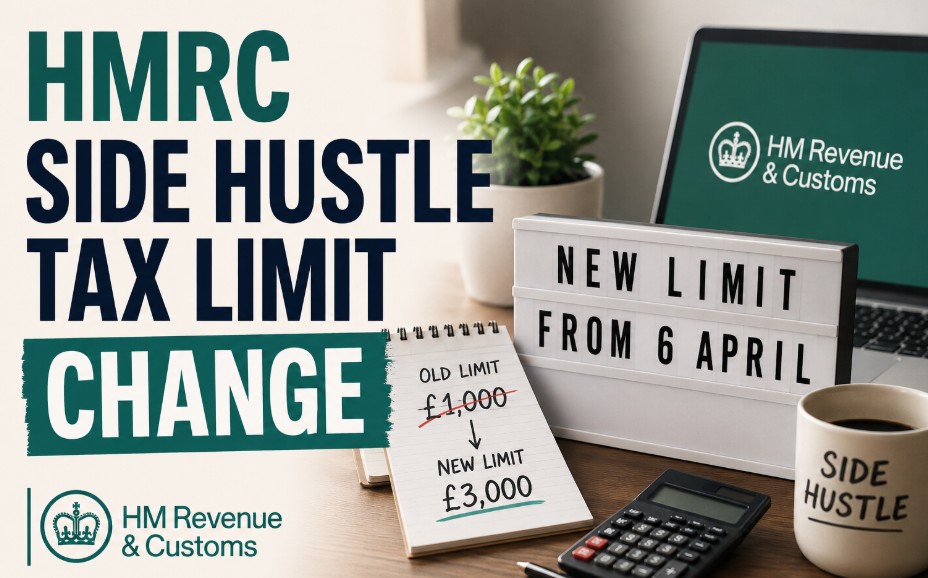
Has the HMRC Side Hustle Tax Limit Changed?
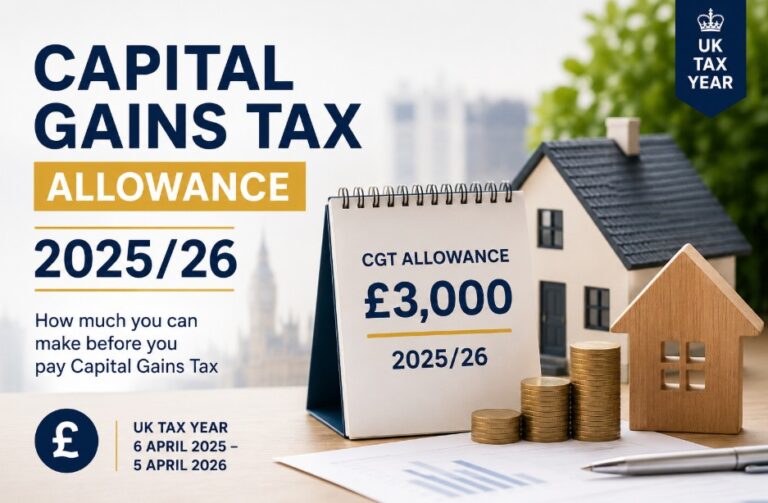
No, the HMRC side hustle tax limit has not changed. The £1,000 Trading Allowance remains the official tax-free threshold for casual self-employment income as of June 2026.
The recent change commonly discussed refers to new digital platform reporting requirements, not an adjustment to the tax-free limit itself.
What Counts as Side Hustle Tax?
Side hustle tax is not a separate, standalone tax. It refers to Income Tax and National Insurance contributions applied to earnings from self-employment.
Whether you earn money through gig economy apps, online marketplaces, or freelance services, the profit is treated as taxable income.
Once your total annual gross income from these activities exceeds the £1,000 Trading Allowance, it must be reported to HMRC via a Self Assessment tax return.
What is the New HMRC Side Hustle Tax Limit Change?
While the tax threshold is unchanged, HMRC has introduced new digital reporting rules. As of 2026, marketplaces like Vinted, eBay, Airbnb, and Etsy are legally mandated to collect and report seller income data directly to HMRC to ensure tax transparency.
These measures are part of the broader HMRC Making Tax Digital changes designed to modernize revenue collection.
Many earners mistake these reporting requirements for a change in tax limits. The reality is that the £1,000 Trading Allowance remains the standard limit for tax-free casual income.
The reporting mandate simply gives HMRC a clearer view of potential taxable activity, making it significantly harder for high-volume earners to leave income undeclared.
Why Were These Digital Reporting Rules Introduced?
These rules were introduced to close the tax gap caused by the rapid growth of the gig economy.
By mandating that platforms share seller data, HMRC can better identify professional traders who have failed to register, ensuring that everyone pays their fair share of tax according to existing UK law.
Who Must Pay HMRC Side Hustle Tax?
You are required to pay tax on your side hustle if your total annual gross income exceeds £1,000, if you meet the Badges of Trade criteria for professional trading, or if your combined income pushes you into a higher tax bracket.
Specifically, you must pay tax if:
-
Income Exceeds the Limit: Your total gross self-employment income is over the £1,000 Trading Allowance.
-
Trading Status: You are classified as trading rather than just selling unwanted personal items.
-
Additional Tax Liability: Your combined income (main job plus side hustle) creates a tax liability not covered by your PAYE (Pay As You Earn) tax code.
When Should You Pay HMRC Side Hustle Tax?
Example: If you earned taxable side income between 6 April 2025 and 5 April 2026, you must register by 5 October 2026 and file/pay by 31 January 2027.
-
Registration Deadline: You must register for Self Assessment by 5 October following the end of the tax year in which you earned the income.
-
Filing Deadline: You must submit your online tax return by 31 January following the end of the tax year.
-
Payment Deadline: Any tax owed must also be paid in full by 31 January.
Example: If you earned taxable side income between 6 April 2025 and 5 April 2026, you must register by 5 October 2026 and file/pay by 31 January 2027.
What If You Ignore the HMRC Side Hustle Tax Limit Change?
Ignoring your tax obligations is increasingly dangerous due to automated data matching between digital platforms and HMRC. Failure to declare income can result in nudge letters, automatic financial penalties, interest on unpaid tax, and formal tax investigations.
HMRC now cross-references platform reports with individual tax filings. If a discrepancy is found, you may face:
-
Nudge Letters: HMRC may contact you directly to request an explanation for undeclared income.
-
Financial Penalties: Late registration or late filing results in automatic fines.
-
Interest: If tax is paid late, interest is charged on the outstanding balance.
-
Tax Investigations: Persistent failure to declare income can trigger a formal compliance check, potentially leading to higher penalties and closer scrutiny of your finances.
How to Determine Your Trading Status?
Identifying your status is vital; Trading is taxable, while Personal Sales of unwanted items generally are not.
HMRC uses the Badges of Trade (such as frequency of sales and intent to profit) to distinguish between a hobby and a business.
-
Trading: You intend to make a profit, sell items frequently, or buy stock specifically to resell.
-
Personal Sales: You are clearing out old items like clothes or furniture that you no longer need.
-
Badges of Trade: HMRC considers factors like the frequency of transactions and the time between buying and selling to determine if you are trading.
| Factor | Personal Possession Sale | Trading/Side Hustle |
| Primary Intent | Decluttering | Profit Generation |
| Tax Status | Generally Tax-Free | Taxable over £1,000 |
| Record Keeping | Not required | Essential |
| Platform Data | Reported but often exempt | Reported and monitored |
How to Calculate Your Side Hustle Tax?
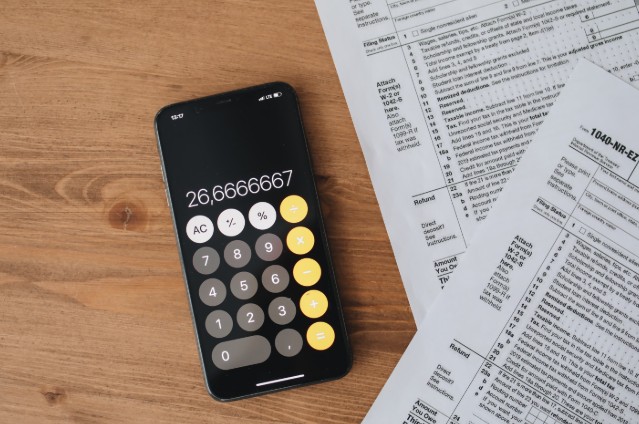
Calculating your liability involves choosing between the £1,000 Trading Allowance or deducting actual business expenses.
You cannot combine these methods; you must select the one that offers the most benefit to your specific financial situation.
Using the Trading Allowance or Expenses
-
Sum your total gross income from all side sources.
-
If the total is £1,000 or less, you are exempt from declaring it.
-
If the total exceeds £1,000, decide whether to deduct the £1,000 allowance or your actual costs.
-
If your actual business expenses are higher than £1,000, deducting those expenses is usually more tax-efficient.
-
Calculate your net taxable profit by subtracting your chosen deduction from your gross income.
-
Apply your applicable Income Tax rate to that profit figure.
-
Keep all invoices and receipts for at least five years to support your calculations.
How to Register and Inform HMRC?
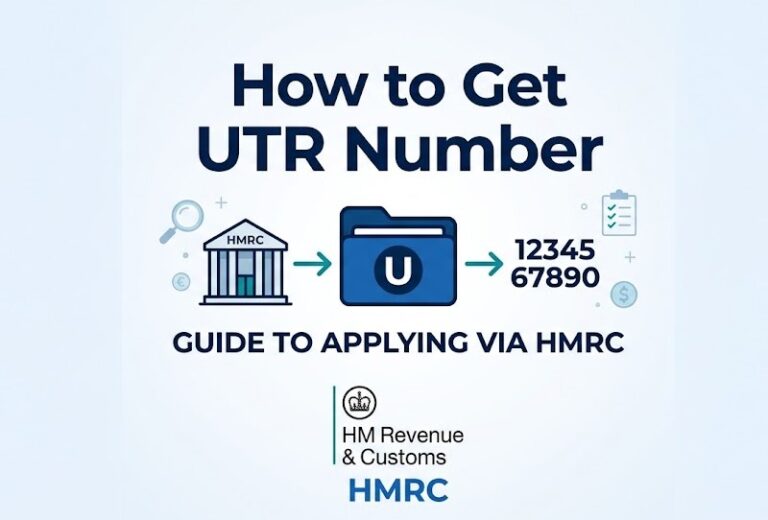
If your earnings exceed the £1,000 threshold, you must register as a sole trader via the official GOV.UK website. Once registered, you will receive a Unique Taxpayer Reference (UTR) to manage your Self Assessment tax returns.
-
Visit GOV.UK to register as a sole trader.
-
Ensure you have your National Insurance number ready.
-
Receive your Unique Taxpayer Reference (UTR) via post.
-
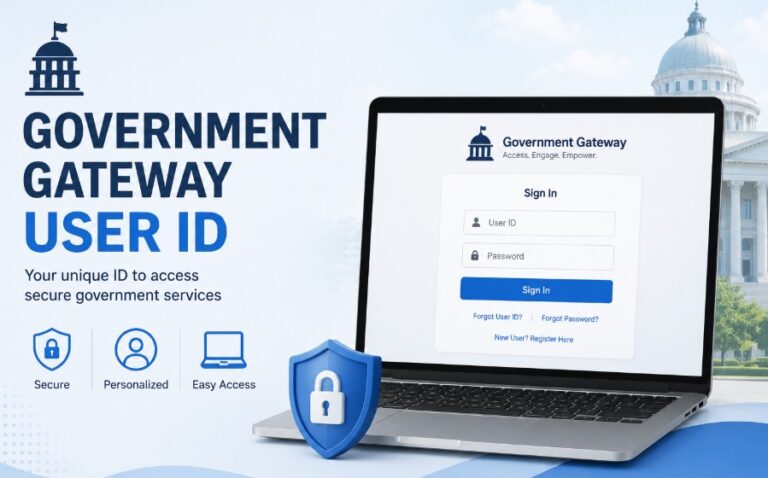
Set up your Government Gateway account.
-
Maintain a detailed log of all income and expenses throughout the tax year.
-
File your tax return by 31 January.
-
Pay any tax and National Insurance (Class 4) due.
Common Side Hustle Mistakes to Avoid
Avoiding simple errors helps maintain a healthy relationship with tax authorities and prevents unnecessary administrative stress.
-
Confusing Gross vs. Net: Remember, the £1,000 allowance applies to gross income (total sales), not your profit.
-
Underestimating Digital Footprints: Assuming cash-in-hand or non-banked income is invisible. HMRC is increasingly sophisticated at identifying patterns of trade, and they are utilizing advanced data matching similar to their wage raid payroll checks to uncover undeclared earnings.
-
Failing to Keep Receipts: Without records of your business expenses, you cannot claim them to reduce your taxable profit, potentially leading to paying more tax than necessary.
-
Mixing Accounts: Running business income through a personal daily-use bank account makes reconciliation during tax season difficult and prone to errors.
-
Ignoring Registration Dates: Missing the 5 October registration deadline often leads to unnecessary stress and penalties that could have been avoided with early planning
Final Summary
Navigating the side hustle landscape requires a focus on record-keeping and transparency. By monitoring your gross income against the £1,000 threshold and maintaining organized accounts for all expenses, you can ensure compliance without unnecessary complexity.
If your activity grows, consider professional accounting support to optimize your tax efficiency.
Verified against official HMRC guidance on the Trading Allowance.
FAQ
Do I have to declare self-employed income under £1,000?
No, if your total gross income from self-employment is £1,000 or less in a tax year, you do not need to register or declare it to HMRC under the current Trading Allowance rules.
Do Vinted or eBay report my sales to HMRC?
Yes, under international digital platform reporting rules, these marketplaces are now required to collect and share seller data with HMRC to ensure that frequent or high-volume traders are meeting their tax obligations.
Can I use the trading allowance for both property and side hustle?
No, you generally have a single £1,000 allowance for trading income. If you have separate property income, there is a distinct Property Allowance, and you should ensure you are applying the correct one.
Does my personal tax allowance cover my side hustle?
Your Personal Allowance (£12,570) is your tax-free threshold for total income. While it covers your main salary, side hustle profits are added to your total income and taxed at your marginal rate.
What is the difference between gross and net income?
Gross income is the total money received from sales before any costs are taken out. Net income is what remains after you subtract allowable business expenses from that gross total.
How do I pay tax on cash-in-hand side hustles?
Cash-in-hand income must be tracked just like digital sales. You include this total in your Self Assessment tax return, and any tax owed is calculated based on your total annual earnings.
Is there an official side hustle tax calculator?
HMRC provides various online tools for tax estimation, but they do not offer a specific side hustle calculator. Use independent financial software or manual spreadsheets to track your profit margins accurately.