
How Much is Indemnity Insurance? 2026 UK Cost Guide (Business vs. Property)
How much is indemnity insurance in the UK? In the UK, costs generally start from a £50 one-off premium for specific property risks, while annual professional cover typically begins at approximately £120 plus IPT.
Professional rates depend on industry risk and turnover, while property indemnity is a single premium based on market valuation to cover legal title defects.
How much is indemnity insurance in the UK?
The cost of indemnity insurance in the UK is divided into two distinct categories:
- Professional indemnity (PI) is for business owners, and indemnity policies for property transactions. For a small consultancy, professional indemnity insurance usually costs between £10 and £40 per month.
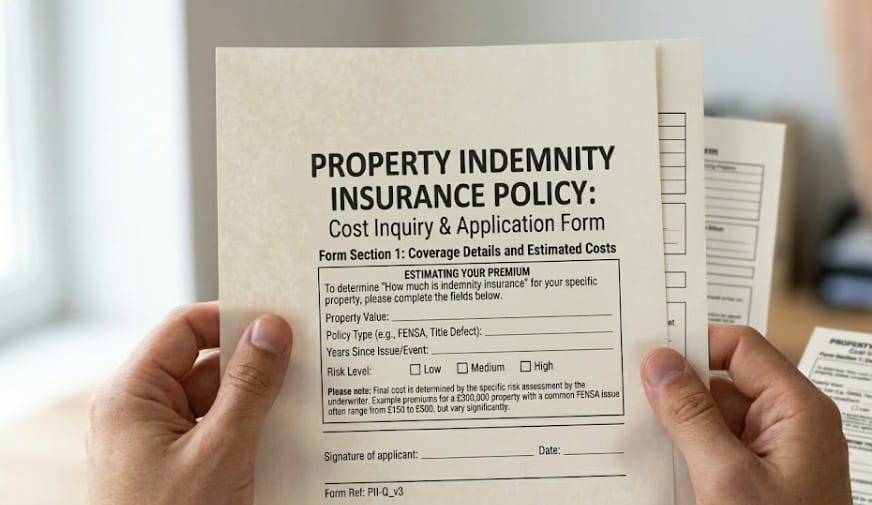
- Property Indemnity Insurance is a one-time fee, often ranging from £50 to £500, designed to protect homeowners against historical legal issues such as missing building regulation certificates or restrictive covenants.
A standard feature of the UK market is the minimum premium, essentially a price floor set by underwriters, regardless of how modest the business’s turnover may be.
For a freelance graphic designer, this floor is often around £80–£100 per annum, whereas a structural engineer may see a starting floor of £500 due to the high-stakes nature of their calculations.
How is the average cost of PI insurance calculated?
Professional indemnity insurance premiums are calculated based on the perceived risk of error in your specific industry. For low-risk sectors like marketing or administration, premiums are highly competitive.
However, for certified professions where advice can lead to significant financial loss, the costs scale accordingly.
| Professional Sector | Estimated Annual Premium (Low Risk) | Estimated Annual Premium (High Risk) |
| IT & Software Consultants | £120 – £250 | £600+ |
| Management Consultants | £150 – £300 | £800+ |
| Accountants & Bookkeepers | £200 – £450 | £1,200+ |
| Architects & Engineers | £450 – £900 | £2,500+ |
| Estate & Letting Agents | £180 – £350 | £750+ |
From a broad market perspective, the average cost of professional indemnity insurance for a standard UK micro-business currently sits between £150 and £250 per year for £1 million in cover.
These rates fluctuate based on annual turnover, the complexity of client contracts, and individual claims history, with high-risk sectors like financial advice naturally commanding higher premiums.

Is an indemnity policy worth it for small businesses?
Yes, indemnity insurance is essential for small businesses as it is often a contractual requirement by clients or a regulatory mandate by bodies such as the ICAEW or RIBA.
Deciding whether a policy is worth the spend involves weighing a relatively small annual premium against the threat of a deal-breaking legal claim.
Most UK government and corporate contracts require a minimum of £1m or £2m in PI cover, and the policy provides an expert legal team to defend your professional reputation, which often exceeds the value of the payout itself.
Evaluating the financial necessity of a policy
Deciding whether a policy is worth the spend involves weighing a relatively small premium against the threat of a deal-breaking legal claim or a stalled property chain.
-
Check Client Contracts: Most UK government and large corporate contracts require a minimum of £1m or £2m in PI cover.
-
Evaluate Financial Risk: Could you afford a £50,000 legal defence fee if a client sued you for a mistake?
-
Peace of Mind: Indemnity insurance provides an expert legal team to fight your corner, which is often more valuable than the payout itself.
Why do I need indemnity insurance for windows or building regulations?
Property indemnity insurance is required to cover the legal costs and potential loss of property value if a local authority takes enforcement action against building breaches, such as missing FENSA certificates or unsigned building regulations.
When buying or selling a house, a solicitor may discover that a previous owner installed double glazing without a FENSA certificate or completed a loft conversion without a final building regulations sign-off.
Property indemnity insurance covers the legal costs and loss of property value if the local authority takes enforcement action against these breaches.
Crucially, these policies won’t physically mend building defects or offer a workmanship guarantee. Instead, these policies act as a financial safety net, insulating you from the legal costs of council enforcement or the expense of rectifying uncertified works.
For instance, a homeowner in Bristol recently used an indemnity policy to satisfy a buyer’s lender regarding a 15-year-old extension that lacked original paperwork, allowing a £400,000 sale to proceed for a one-off premium of just £180.

Common Property Indemnity Scenarios and Costs
Most property indemnity policies in the UK cost between £50 and £400, depending on the specific legal defect being covered.
Because these policies are attached to the land rather than the owner, they remain valid for all future owners without renewal. Typical costs include:
-
Lack of Building Regulations: Covers work done without council inspection. (Cost: £150–£400)
-
FENSA/Windows: Covers replacement windows lacking certificates. (Cost: £50–£150)
-
Restrictive Covenant: Protects against old land rules being enforced. (Cost: £100–£300)
-
Chancel Repair Liability: Protection against ancient church repair demands. (Cost: £50–£100)
Which is the best indemnity insurance for doctors in the UK?
Medical indemnity for UK doctors is primarily provided by Medical Defence Organisations (MDOs) like the MDU or MPS, with private GP premiums often costing several thousand pounds per year.
Medical indemnity is a specialised field where how much is indemnity insurance depends on whether the doctor is covered by the NHS or requires private cover.
While NHS doctors have Crown Indemnity, they often assist patients in understanding medical conditions that qualify for Attendance Allowance or other benefits, though they still require supplementary cover for private work and GMC disciplinary hearings.

How to get the best premium rates for indemnity insurance?
To get the lowest indemnity insurance premiums, you should increase your voluntary excess, use standardised client contracts that limit liability, and ensure your turnover estimates are accurate.
Securing a lower premium requires demonstrating to the underwriter that your business is well-managed. Using an indemnity insurance premium calculator can give you a baseline, but the following steps are essential for a final, accurate quote.
-
Standardise Your Contracts: Use written agreements that limit your liability to a specific cap.
-
Implement Quality Control: Show that you have a four-eyes check or a rigorous sign-off process for advice.
-
Choose the Correct Limit: Don’t pay for £5m in cover if your largest contract value is only £100k.
-
Increase Your Excess: Getting to grips with your policy excess is vital; opting for a £500 voluntary excess over £250 can often lead to a meaningful reduction in your annual quote.
-
Review Your Turnover: Ensure you aren’t over-estimating your annual revenue, as this is a primary pricing metric.
-
Highlight Qualifications: Professionals with more than 5 years of experience often access seniority discounts.
Who is eligible for indemnity insurance?
Any individual, freelancer, or legal entity that provides professional services, expert advice, or physical designs is eligible for indemnity insurance.
In the UK, eligibility extends across nearly every sector where a mistake could lead to a client’s financial loss. This includes traditional professionals like solicitors and architects, as well as modern digital consultants, personal trainers, and even IT contractors.
Much like planning for long-term financial milestones, such as understanding what happens after 35 years of National Insurance payments, maintaining eligibility through continuous cover is a fundamental part of professional risk management.
Who pays the premium for indemnity insurance?
In a professional context, the business owner or freelancer pays the annual premium; however, in UK property transactions, the seller traditionally pays a one-off fee to resolve legal title defects.
For businesses, indemnity insurance is a standard operating cost and is generally tax-deductible against Corporation Tax or Self-Assessment.
In the property market, the seller usually covers the cost as a gesture of goodwill to cure a defect (like missing building regs) and ensure the buyer’s mortgage lender approves the sale.
However, this remains a negotiable point between solicitors during the conveyancing process.
| Policy Type | Who Pays? | Payment Frequency | Typical Benefit |
| Professional Indemnity | The Business/Professional | Monthly or Annual | Legal defence + Damages |
| Property Indemnity | Usually the Seller | One-off (Life of Property) | Protection against Council/Legal action |
| Medical Indemnity | The Doctor/Clinic | Annual | Clinical negligence protection |
Final Summary
Indemnity insurance means a vital financial safety net against professional mistakes or property legalities for UK business owners and homeowners in 2026.
Understanding how much is indemnity insurance requires identifying whether you are protecting your professional reputation or a property transaction.
For businesses, 2026 premiums are influenced by the rise of digital risks and inflation, making a robust PI policy a vital safety net.
For homeowners, indemnity policies remain a cost-effective way to bypass missing paperwork and secure a sale.
Your best move is to check your specific contract stipulations and use a specialist broker to suss out the minimum premium floors across the UK market.
FAQ about How much is indemnity insurance?
How much is indemnity insurance per month?
For most UK freelancers and small businesses, monthly premiums are comparable to the small monthly fees sometimes seen with a child bank account with a debit card, starting as low as £6 to £12. This cost increases based on your industry’s risk level and your annual turnover.
Is indemnity insurance a legal requirement?
It is not a universal legal requirement like motor insurance, but it is a regulatory requirement for many professions, including solicitors, accountants, and financial advisors.
Does indemnity insurance cover me for past work?
Only if you have a Retroactive Date included in your policy. This ensures that work completed before the policy started is covered, provided you were unaware of any pending claims.
How much is indemnity insurance when selling a house?
Expect to pay between £150 and £500 for a standard policy covering missing building regulations or planning permission. The price is tied directly to the property’s sale price.
Who pays for indemnity insurance on a house?
The seller usually pays the premium to ensure the buyer’s mortgage lender approves the property. However, the buyer may pay if they are the ones requesting extra protection.
Can I buy indemnity insurance directly?
For business PI, yes. For property indemnity, you usually cannot buy it directly; a solicitor or conveyancer must arrange it to ensure the policy meets the lender’s specific requirements.
What is a 12-month insurance policy?
In the professional sector, this refers to a standard annual contract providing continuous protection. In UK property law, it frequently refers to the statutory period after which a local authority’s power to issue an enforcement notice for building breaches (under Section 36 of the Building Act 1984) is typically restricted.