

Legal Requirements & Licenses Required For Gardening Business in UK
Last Updated on
Starting a UK gardening business legally requires registering with HMRC or Companies House, holding public and employers’ liability insurance if you have staff, following health and safety and pesticide-use rules, and registering as a waste carrier if you remove green waste from client sites. No general trading licence is needed, but activity-specific certificates apply.
Key takeaways
- Upper tier waste carrier registration with the Environment Agency costs £154 to register, plus £105 to renew every three years, for most green waste removal.
- The National Living Wage rises to £12.71 an hour for workers aged 21 and over from 1 April 2026, with £10.85 for 18 to 20 year olds and £8.00 under 18.
- Most gardening businesses that hold client contact details must pay the ICO’s annual data protection fee, which is £52, £78 or £3,763 depending on size.
- There is no formal chainsaw licence in the UK; tree work requires City & Guilds NPTC certificates such as CS30, CS31 or CS39, not a driving-style permit.
Registering Your Gardening Business
Choosing the Right Business Structure
The first step in setting up your gardening business is deciding on the appropriate business structure. Common structures include sole trader, partnership, or limited company. Each has its own legal implications, tax obligations, and levels of personal liability. For a sole trader or partnership, personal assets are at risk if the business fails, whereas a limited company offers limited liability protection but involves more regulatory compliance.
Registering with HM Revenue and Customs (HMRC)
Once you’ve chosen your business structure, you must register your business with HMRC. As a sole trader, you register for Self Assessment. If you form a limited company, it must be registered with Companies House, and you’ll need to comply with corporation tax rules.
If your taxable turnover exceeds £90,000 in any rolling 12-month period, you must register for VAT within 30 days. Many new entrepreneurs often find themselves questioning can claim VAT back as a sole trader once they reach this stage of registration.
The VAT threshold has remained at £90,000 since April 2024 and is confirmed unchanged for 2026/27. If you’re already VAT-registered and your turnover falls below £88,000, you can apply to deregister.
If you form a limited company, note that since 18 November 2025 all directors and Persons with Significant Control must verify their identity with Companies House under the Economic Crime and Corporate Transparency Act. Existing directors must do this by their company’s next confirmation statement date, with a final deadline of 18 November 2026, you cannot file a confirmation statement without it.
Obtaining Necessary Permits and Licenses for Gardening Activities
Depending on your services, you’ll need specific certificates rather than a general licence.There’s no such thing as a chainsaw licence in the UK, competence is proven through City & Guilds NPTC Certificates of Competence: CS30 (Chainsaw Maintenance & Cross-Cutting) as the entry point, CS31 (Felling and Processing Trees up to 380mm) for tree felling, and CS38/CS39 for aerial and rope-based tree work. These don’t expire, though refresher training every 3–5 years is recommended.
For spraying, you need PA1 (Foundation, a Level 2 theory module covering legislation, label interpretation and storage) plus PA6 (Hand-Held Applicator, practical use of knapsack sprayers).
Crucially, this applies not just to professional-strength pesticides but also to amateur-use products (like standard glyphosate weedkillers) as soon as you’re applying them commercially or on a client’s property rather than your own.
Local councils may also require permits for specific activities, particularly work on public land, in conservation areas, or on protected trees (Tree Preservation Orders).
Insurance Requirements for Gardening Businesses
Public Liability Insurance
Public liability insurance is essential for any gardening business. It covers you in case a client or member of the public is injured or their property is damaged as a result of your work. This insurance is crucial, as accidents can happen, and without it, you could be liable for significant compensation claims.
Employers’ Liability Insurance
If you employ staff, even part-time or temporary, you’re legally required to hold employers’ liability insurance with a minimum of £5 million cover from an authorised insurer. This protects you if an employee is injured or becomes ill because of their work for you.
Operating without it can mean fines of £2,500 for every day you’re uninsured, plus a further £1,000 if you can’t produce your certificate when asked. Working family members (spouse, parent, child) are usually exempt if you’re a sole trader, but not if you operate as a limited company.
Tools and Equipment Insurance
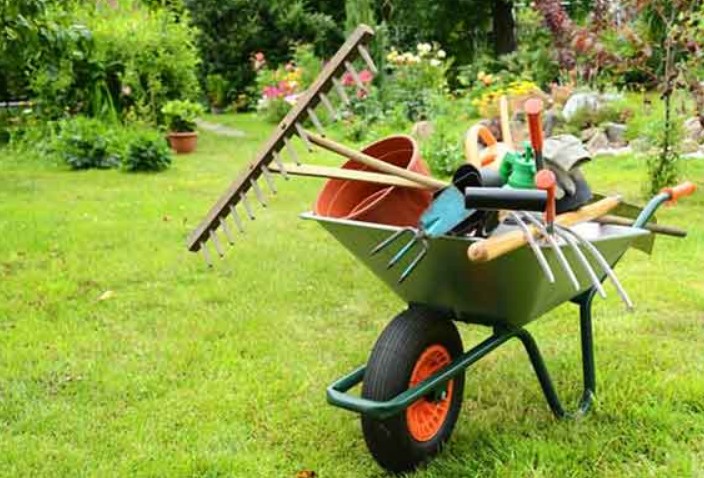
Gardening often involves the use of expensive tools and equipment. Tools and equipment insurance protects you against the loss, theft, or damage of these items. This insurance ensures that you can quickly replace essential tools, minimizing downtime and financial loss.
Professional Indemnity Insurance
If you provide advice or design services as part of your gardening business, professional indemnity insurance is advisable. It covers you if a client claims that your advice or services were inadequate or caused them financial loss. This type of insurance is especially important if you are involved in landscaping design or consultancy.
Health and Safety Regulations for Gardening Businesses
Compliance with Health and Safety at Work Act 1974
Gardening businesses must adhere to the Health and Safety at Work Act 1974. This legislation requires employers to ensure the health and safety of their employees and the public. You need to implement appropriate safety measures, provide training, and maintain safe working conditions.
Risk Assessment and Management
Conducting regular risk assessments is a legal requirement. You need to identify potential hazards in your work environment, assess the risks, and implement measures to control or eliminate them. This includes ensuring that all tools and equipment are safe to use, and that your employees are trained in their operation.
Safe Use of Equipment and Chemicals
If your business involves the use of machinery, tools, or chemicals, you must follow strict safety protocols. This includes providing protective gear, training employees on the safe use of equipment, and ensuring the safe storage and disposal of chemicals. Compliance with the Control of Substances Hazardous to Health (COSHH) regulations is mandatory.
Environmental Regulations Impacting Gardening Businesses
Waste Management and Disposal Requirements
If you remove green waste, prunings, or other material from a client’s property as part of your service, you almost always need Upper Tier waste carrier registration with the Environment Agency, a common mistake is assuming Lower Tier (which only covers a business moving its own waste occasionally) is enough.
| Registration | Who it’s for | Cost |
|---|---|---|
| Upper Tier | Carrying waste from client sites as part of a paid service (most gardening businesses) | £154 to register, £105 to renew every 3 years |
| Lower Tier | Only your own non-construction waste, moved occasionally | Free, no renewal needed |
You must notify the Environment Agency within 28 days if your registration details change. Watch for the incoming Environmental Permitting (Waste Controlling or Transporting) Regulations 2026, which will move waste carriers from a simple registration system to a permit-based one requiring active proof of compliance.
Pesticides and Chemicals Compliance
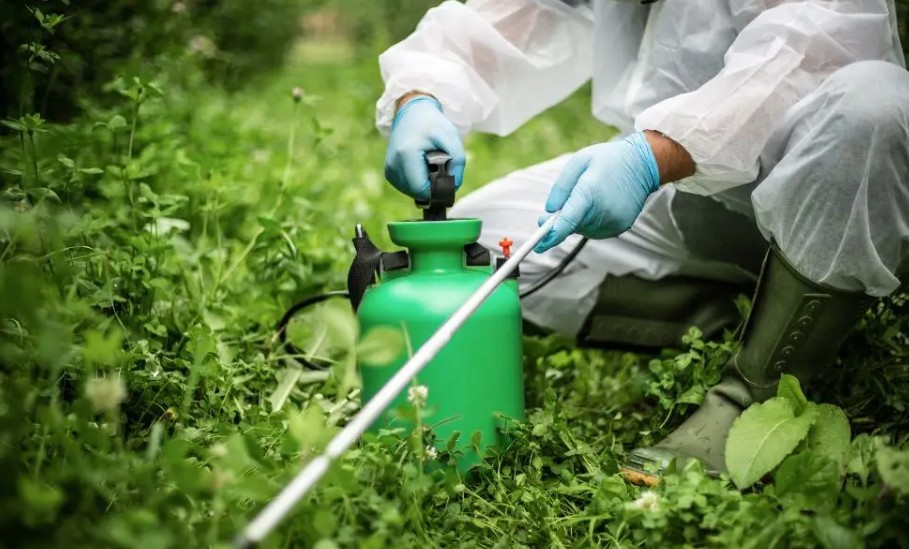
The use of pesticides and chemicals is highly regulated in the UK. You must ensure that any products you use are approved and that you hold the necessary certifications to apply them. Additionally, you must follow guidelines for the safe storage, application, and disposal of these substances to protect the environment and public health.
Environmental Protection and Sustainability Practices
Implementing environmentally friendly practices is not only good for the planet but can also enhance your business reputation. This includes using sustainable materials, reducing waste, and minimizing your carbon footprint. Compliance with the Environmental Protection Act 1990 is essential for all gardening businesses.
Employment Laws for Gardening Businesses
Legal Requirements for Hiring Employees
When hiring employees, you must comply with UK employment laws. This includes conducting right-to-work checks, providing written employment contracts, and adhering to statutory requirements such as holiday entitlements, working hours, and pension contributions.
Employment Contracts and Rights
Every employee must have a written contract outlining their terms of employment. This contract should include details of their job role, salary, working hours, and any benefits they are entitled to. You must also respect employees’ rights, including the right to fair treatment, equal pay, and protection against unfair dismissal.
Ensuring Compliance with Minimum Wage Regulations
You must pay at least the National Minimum Wage or National Living Wage for your employees’ age band. From 1 April 2026, the rates are:
| Age/status | Hourly rate from 1 April 2026 |
|---|---|
| 21 and over (National Living Wage) | £12.71 |
| 18 to 20 | £10.85 |
| Under 18 and apprentices | £8.00 |
Rates are reviewed every April on Low Pay Commission recommendations, and almost all workers are covered, including part-time, casual and seasonal gardening staff. Underpayment can result in penalties from HMRC as well as reputational damage.
Data Protection and Privacy Laws
Handling Client Information Under GDPR
If you collect and store client information, even just names, addresses and phone numbers for scheduling jobs, you must comply with UK GDPR: get proper consent to hold data, store it securely, don’t share it without permission, and let clients access their information on request.
Most gardening businesses that process this kind of client data must also pay the ICO’s annual data protection fee, which most small businesses and sole traders fall into as Tier 1: £52 a year (or £78 for Tier 2, larger operations), reduced by £5 if you pay by Direct Debit.
Use the ICO’s free self-assessment tool to check whether you’re exempt. Failing to pay can lead to penalties from £400 to £4,000.
Securing Data and Maintaining Confidentiality
Implementing robust data security measures is essential to protect client information. This includes using encryption, secure storage systems, and ensuring that only authorized personnel have access to sensitive data. Breaches of confidentiality can lead to legal consequences and loss of client trust.
Taxation Requirements for Gardening Businesses
Understanding Business Taxes: VAT, Corporation Tax, and Income Tax

Your tax obligations will depend on your business structure. Sole traders and partnerships must pay income tax on their profits, while limited companies are subject to corporation tax.
As you manage your business expenses, you might also be looking into how to claim my mileage back from HMRC to ensure you are accurately recording travel costs incurred while visiting client sites. If your turnover exceeds the VAT threshold, you must also register for VAT and submit regular returns.
Keeping Accurate Financial Records and Filing Returns
Maintaining accurate financial records is a legal requirement. You must keep records of all income, expenses, and tax payments. These records are essential for completing your annual tax returns and for any potential audits by HMRC. Failing to keep proper records can result in fines and other penalties.
How Do Legal Requirements and Licenses Impact SMEs, Startups, and Diverse Business Operations Across Sectors?
Complying with licensing, tax, and environmental mandates is vital for micro-businesses, local contractors, and growing enterprises to avoid costly fines and build commercial trust.
-
Risk Mitigation: Securing proper credentials, such as waste carrier registrations and safety certificates, prevents regulatory shutdowns and legal liabilities.
-
Financial Management: Factoring in mandatory overheads like insurance, ICO fees, and minimum wage laws protects profit margins.
-
Market Credibility: Demonstrating full legal and tax compliance unlocks lucrative B2B contracts and high-value clients.
-
Scalable Operations: Adhering to employment and health regulations allows businesses to expand workforces safely.
Conclusion
A compliant UK gardening business rests on a handful of concrete steps: register the business correctly, insure it properly (with the right cover levels, not just some insurance), hold the specific certificates your services require rather than a general licence, register as an Upper Tier waste carrier if you remove client waste, pay employees at the current statutory rates, and register with the ICO if you hold client data.
Treat each of these as a checklist item with a real number attached, not a vague box to tick, that’s what separates a business that’s actually compliant from one that only looks compliant on paper.
Disclaimer: This article is for informational purposes only and does not constitute formal legal or financial advice; consult with HMRC, the Environment Agency, or a qualified professional for guidance specific to your business.
FAQ
How to start a gardening business in the UK?
Choose a business structure (sole trader, partnership or limited company), register with HMRC or Companies House, arrange public and employers’ liability insurance, and check whether you need waste carrier registration or spraying/tree-work certificates before taking on clients.
Do you need a license to sell plants in the UK?
There’s no single plant-selling licence, but you must register free as a plant health professional operator with APHA, and issue plant passports if you sell online, by mail order, or to another business rather than face-to-face to the public.
What qualifications do you need to be a gardener in the UK?
No formal qualification is legally required to garden generally, but specific activities need certificates: PA1/PA6 for pesticide spraying, and NPTC CS30/CS31 (or CS38/CS39 for aerial work) for chainsaw and tree work.
What are the laws and regulations regarding gardening in the UK?
Key areas include business registration and tax (HMRC/Companies House, VAT above £90,000 turnover), insurance, the Health and Safety at Work Act 1974, waste carrier registration for removing client green waste, pesticide use rules, employment law, and UK GDPR.
Do I need public liability insurance as a self-employed gardener?
It isn’t a strict legal requirement for sole traders without staff, but most clients, letting agents and councils expect it, and without it you’re personally liable for any injury or property damage your work causes.
How much does it cost to register as a waste carrier for a gardening business?
Upper Tier registration, which most gardening businesses need to remove client green waste, costs £154 to register with the Environment Agency and £105 to renew every three years. Lower Tier registration is free but only covers a business’s own occasional waste.
Do I need to pay the ICO fee as a small gardening business?
If you hold client contact details electronically, you likely do. Most small gardening businesses fall into Tier 1 at £52 a year; use the ICO’s free self-assessment tool to confirm whether you’re exempt.