How to Start a Small Fashion Business at Home: A Step-by-Step Guide
Last Updated on
Starting a small fashion business from home in the UK requires registering as a sole trader or limited company with HMRC, sourcing sustainable fabrics, and establishing an e-commerce platform. Entrepreneurs typically need between £1,000 and £5,000 in initial startup capital to cover equipment, raw materials, insurance, and initial marketing campaigns.
Key Takeaway
-
Register your UK fashion startup with HMRC as a sole trader or limited company before launching sales.
-
Budget an initial capital range of £1,000 to £5,000 for sewing equipment, initial fabric inventory, and liability insurance.
-
Comply with UK General Product Safety Regulations and ensure mandatory care labels are attached to all garments.
-
Secure a dedicated business bank account and set up separate bookkeeping to legally track home utility deductions.
Are You Ready to Turn Your Fashion Dreams into a Home-Based Reality?
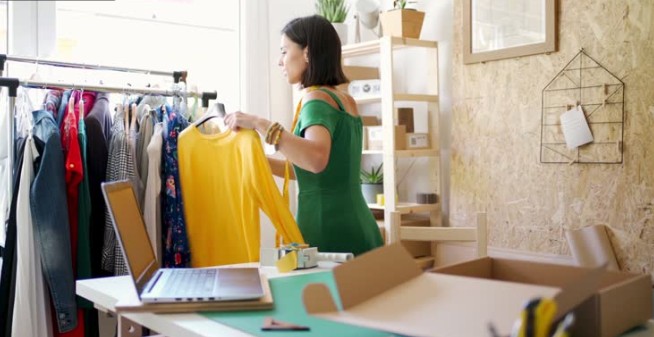
For UK small business owners, launching a fashion venture from a spare room or studio offers a lean operational model with minimal overhead costs.
However, running a commercial apparel operation from domestic premises involves balancing local zoning laws, home insurance policies, and proper equipment setup.
Managing cash flow tightly from day one ensures your creative vision translates into a sustainable, profit-generating small business enterprise.
How Do You Define Your Unique Fashion Niche?

One of the most exciting aspects of starting a small fashion business at home is discovering your niche. Ask yourself: What style do you live and breathe? Perhaps you’re passionate about eco-friendly materials, bespoke couture, or avant-garde streetwear.
From a small business profitability perspective, a distinct niche also dictates your supply chain complexity, margin requirements, and target customer acquisition costs.
Micro-brands succeed by targeting underserved segments, such as petite workwear, adaptive clothing, or circular-economy upcycled garments, where mass-market retailers cannot compete.
Identifying your niche means pinpointing what makes your designs unique and how they meet a specific market need. Embrace this exploration as an opportunity to refine your vision, ensuring your brand reflects both your personality and the demands of your future customers.
What Are the Essential First Steps in How to Start a Small Fashion Business at Home?
Before you dive into designing and stitching, it’s crucial to lay a solid foundation. Start with a detailed business plan that outlines your goals, target market, and budget.
This blueprint will not only guide your creative process but also help you secure any necessary funding or partnerships.
A robust business plan for a UK home-based fashion enterprise must account for startup costs, pricing strategies, gross margin targets, and multichannel sales channels like Etsy, Shopify, or independent pop-up markets.
A few key considerations include:
- Conducting 4 ways that we could split market research data to understand current trends in the UK fashion scene
- Creating an engaging brand narrative that connects with your audience.
- Setting realistic financial targets and understanding the costs involved in production
How Can You Create a Distinctive Brand from Your Home?
Your brand is your signature in the world of fashion. It’s the narrative that binds your collection together and draws customers into your story. Develop a memorable brand name, a stylish logo, and a cohesive visual identity that reflects your design ethos.
Whether you’re handcrafting your first pieces in a cosy corner of your living room or partnering with local artisans, consistency in quality and style will set you apart from the competition.

How Do You Navigate Legalities and Logistics in the UK?
UK small business owners looking into foundational compliance, much like navigating the licenses required to start a holiday cottage business, must register with HMRC as a sole trader or limited company within months of trading.
Operating from home requires checking your mortgage agreement or tenancy lease for business-use restrictions, notifying your home insurance provider, and complying with UK regulations regarding textile composition and mandatory care labeling.
You should also register for VAT once your taxable turnover exceeds the current HMRC threshold of £90,000.
How Will You Handle Production, Inventory, and Quality Control?
Working from home offers you the luxury of hands-on involvement in every stage of production. Decide whether you’ll produce your garments in-house, collaborate with local manufacturers, or even explore a hybrid model.
Embrace the flexibility of starting small, with the option to scale up as demand grows. Managing inventory efficiently is critical for small businesses to avoid tying up working capital in unsold stock.
Adopting a made-to-order or small-batch production model reduces waste, lowers upfront fabric storage needs, and protects your cash flow against unexpected shifts in consumer demand.
Quality control is your promise to customers; every stitch and seam should reflect the care and passion you pour into your work.
How Can You Master the Art of Marketing Your Home-Based Fashion Business?
In today’s digital age, effective marketing is the runway that showcases your creations to the world. Leverage social media platforms, build an engaging website, and tell your brand story through compelling visuals and narratives.
Leverage organic social commerce channels such as Instagram and TikTok video content to showcase behind-the-scenes production, building authentic trust with buyers.
Local craft markets, artisan fairs, and regional pop-ups offer low-risk environments to test physical inventory and gather direct customer feedback without heavy retail lease commitments.

How Do You Manage Daily Operations While Staying Creative?
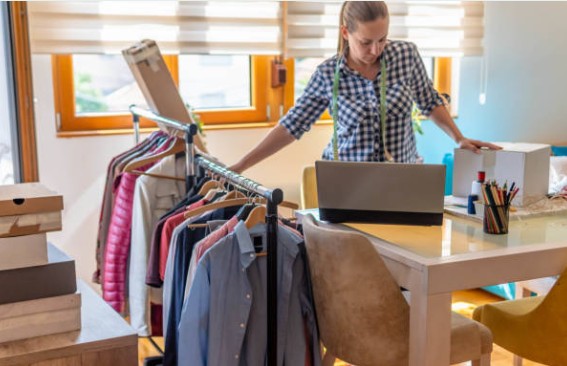
Running a fashion business from home is a balancing act between creative expression and entrepreneurial discipline. Set up a dedicated workspace that inspires innovation while keeping distractions at bay.
Establish a routine that carves out time for both creative brainstorming and the administrative tasks essential to keeping your business thriving.
Embrace tools and technology that streamline processes, from inventory management to customer service, so you can focus on what you do best: designing extraordinary pieces.
What Does the Future Hold for Your Home-Based Fashion Venture?
Every stitch you sew, every design you perfect, is an investment in your future. As your business grows, remain open to new opportunities, whether it’s expanding your product range, collaborating with other creatives, or even opening a small showroom.
Stay attuned to market trends and customer feedback, adapting your strategy as needed to keep your brand fresh and relevant in the ever-evolving world of fashion.
Ready to Launch Your Home Fashion Venture?
The journey of building a fashion business from home is as exhilarating as it is challenging. When you ask, How to Start a Small Fashion Business at Home, remember that each step, from defining your niche and planning your brand to navigating legal requirements and mastering marketing, is a chapter in your unique story.
With passion, perseverance, and a sprinkle of creativity, you can transform your home into a vibrant hub of fashion innovation.
Embrace the adventure, make bold decisions, and let your creativity shine. Your home-based fashion empire is waiting to be born, and the possibilities are as limitless as your imagination. Welcome to the world where passion meets purpose, and your fashion dreams take center stage.
Disclaimer: This article is for informational purposes only and does not constitute formal legal, tax, or financial advice.
FAQs
What is the 3-3-3 rule in fashion?
The 3-3-3 rule is a minimalist styling method where you choose 3 tops, 3 bottoms, and 3 pairs of shoes to create multiple capsule outfits for a season. For small fashion business owners, understanding capsule wardrobe principles helps in designing versatile, high-retention collections that appeal to modern budget-conscious consumers.
What is the best business to start from home in the UK?
E-commerce ventures, digital service agencies, and boutique apparel brands rank among the top home-based businesses in the UK due to low initial startup overheads. Selling niche consumer goods online allows founders to scale operations incrementally while utilizing home utility tax deductions and flexible working hours.
How much money do you need to start a clothing brand in the UK?
Launching a small clothing brand from home typically requires between £1,000 and £5,000. This initial capital covers industrial sewing equipment, initial fabric rolls, patterns, e-commerce platform subscriptions, product photography, and mandatory liability insurance before scaling up production.
Do you need a license to sell clothes online in the UK?
Selling clothes online does not require a general trading license, but you must register with HMRC as a sole trader or limited company. If you operate from a rented property or leasehold home, you may need landlord permission, and selling certain specialized or children’s wear requires adherence to strict UK safety standards.
How do home utility deductions work for a UK home-based fashion business?
UK sole traders and limited companies operating from home can claim a proportion of household expenses, such as broadband, heating, and electricity, as allowable business deductions. HMRC allows either simplified flat-rate deductions based on hours worked per month or a calculated fractional breakdown of actual household utility bills.
How should small fashion businesses handle UK consumer returns?
Under the UK Consumer Contracts Regulations, online shoppers generally have the right to cancel and return non-customized clothing items within 14 days of delivery. Small business owners must clearly display a transparent returns and exchange policy on their checkout page to maintain legal compliance and build customer trust.