

HMRC to Fine UK Households £100 for Late Self-Assessment Tax Returns Starting January 2025
Last Updated on
HMRC automatically issues an immediate £100 fine to any UK taxpayer who misses the 31 January Self-Assessment online filing deadline, even if no tax is owed or the return is one day late. Daily penalties accrue after three months, alongside separate late payment charges and interest on unpaid tax balances.
Key Takeaways
-
Missing the 31 January online filing deadline triggers an immediate £100 automatic penalty from HMRC, regardless of tax owed or income level.
-
Returns over 3 months late incur daily £10 fines up to £900, with further £300 or 5% penalties added at 6 and 12 months.
-
Anyone earning over £1,000 in gross annual untaxed income from side hustles, freelancing, or property must register and file Self-Assessment.
-
Paying tax late attracts a separate 5% penalty at 30 days, 6 months, and 12 months, plus accrued HMRC interest on unpaid balances.
HMRC £100 Late Self-Assessment Penalty: 2026 Rules and Deadlines
HMRC automatically issues an immediate £100 fine to any UK household or individual who misses the 31 January Self-Assessment filing deadline, even if the submission is only one day late or no tax is owed. Missing this cutoff triggers an automated penalty process that escalates over time.
As more people in the UK take on side hustles, rent out property, and earn extra income outside traditional employment, HMRC is stepping up efforts to ensure tax deadlines are met across the board.
Why HMRC Enforces Automated Self-Assessment Penalties
HMRC’s strict enforcement of tax filing deadlines aligns with changing working patterns and automated data collection across the UK economy.
More people now:
- Earn money from side gigs like Etsy, Uber, and Airbnb.
- Work as freelancers or take on part-time self-employed projects.
- Invest in cryptocurrency and other digital assets.
- Run small businesses alongside their day jobs.
In the past, many people assumed small amounts of untaxed income didn’t require serious attention. But with HMRC’s digital systems becoming more advanced and with Making Tax Digital (MTD) on the horizon, the tax authority now expects full compliance from everyone, regardless of how much they earn.
Additionally, HMRC now gathers data directly from:
- Digital platforms like Airbnb, eBay, and Etsy.
- Banks and payment processors.
- Cryptocurrency exchanges.
This means fewer people can “fly under the radar” when it comes to undeclared income.
How the £100 Late Filing Penalty Operates?
If you fail to submit your online return by 11:59 pm on 31 January following the end of the tax year, HMRC automatically applies a £100 fine.
This fixed penalty applies even if:
-
Your return is submitted just one day late.
-
You owe no tax or have overpaid tax through PAYE.
-
Your taxable income fell below the personal allowance.
This fine will apply to anyone required to file a self-assessment tax return, including:
- Sole traders and self-employed people.
- Freelancers, gig workers, and side hustlers.
- Landlords and people earning from Airbnb.
- Investors and cryptocurrency traders.
- Anyone with untaxed income exceeding £1,000 a year.
Even first-time filers and those who were unaware of the rules will face this fine unless they meet the submission deadline.
Why More UK Households Are at Risk Than They Realise
Many people don’t know they need to file a self-assessment return because they assume:
- Small side incomes don’t count.
- One-off rental income isn’t taxable.
- Cryptocurrency trades are too minor to report.
But if you earn more than £1,000 per year from untaxed sources, you are required to file a tax return.
This could include:
- Freelance projects completed in your spare time.
- Selling items online for profit (beyond occasional personal sales).
- Renting out a room, a driveway, or a property, even occasionally.
- Trading cryptocurrencies, if you make a profit above the annual tax-free allowance.
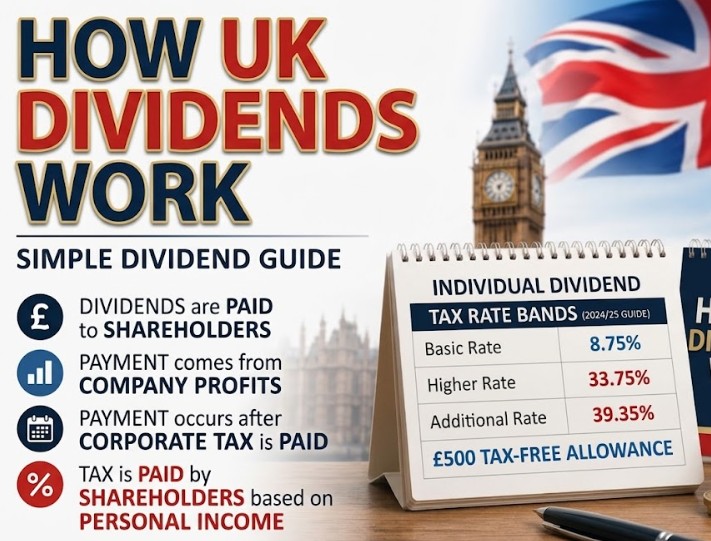
- Earning dividends that exceed the dividend allowance.
HMRC can now cross-check your earnings using third-party data, making it much harder to avoid detection.

Late Filing vs Late Payment Penalty Schedule
Filing your tax return late and paying your tax bill late incur separate, cumulative penalties from HMRC.
| Delay Period | Late Filing Penalty | Late Payment Penalty (Unpaid Tax) |
| 1 day late | Fixed £100 fine | Interest starts accruing immediately |
| 30 days late | Fixed £100 fine | 5% charge on unpaid tax balance |
| 3 months late | £10/day up to 90 days (max £900) + £100 initial fine | 5% charge + interest |
| 6 months late | Further £300 or 5% of tax due (whichever is higher) | Additional 5% charge on unpaid tax |
| 12 months late | Further £300 or 5% of tax due (whichever is higher) | Additional 5% charge on unpaid tax |
Note: Late payment interest is charged continuously on all overdue balances from 1 February until paid in full.
How to Avoid the £100 Fine?
1. Register Early
If filing for the first time, register for Self-Assessment with HMRC by 5 October following the end of the tax year (e.g., 5 October 2026 for the 2025/26 tax year) to receive your Unique Taxpayer Reference (UTR) on time.
2. Set Multiple Reminders
Don’t rely on just one calendar alert to remember the self-assessment deadline. Set reminders across your phone, email, and computer to keep the deadline visible and help avoid last-minute panic.
3. Keep Year-Round Records
It’s essential to track your income and expenses throughout the year, not just at tax time. Using tools like FreeAgent, QuickBooks, or even organised spreadsheets will make filing your return much easier and more accurate.
4. Use an Accountant or Trusted Tax Software
If you have multiple income streams, getting help from a qualified accountant can save you time, money, and potential mistakes. Alternatively, reliable tax software can guide you through the process and ensure you don’t miss important steps.
5. Submit Your Return Early
There’s no advantage in waiting until the January deadline to file your tax return. Filing early gives you breathing space to fix errors, handle HMRC queries, and reduces the risk of missing the cut-off.
6. Don’t Ignore HMRC Letters
If HMRC sends you a letter requesting a tax return, you must act, even if you believe you owe no tax. Ignoring it can still result in penalties, as failure to respond is treated as non-compliance under HMRC’s rules.
7. Understand the £1,000 Trading Allowance
If your gross annual self-employed or side-hustle turnover is £1,000 or less, you do not need to report it or pay tax under the Trading Allowance. Note that this threshold applies to total income before expenses, not profit. If gross income exceeds £1,000, you must register and submit a return even if your expenses reduce your net profit to zero.

8. Plan for Making Tax Digital (MTD)
HMRC’s digital system will soon make quarterly tax reporting mandatory for many people starting from April 2026. Getting used to digital record-keeping now will help you transition smoothly and avoid future reporting headaches.
Making Tax Digital and the Points-Based Penalty Reform
Making Tax Digital for Income Tax Self Assessment (MTD for ITSA) requires eligible sole traders and landlords to maintain digital records and submit quarterly updates to HMRC using compatible software.
MTD Rollout Timeline:
-
6 April 2026: Mandatory for sole traders and landlords with gross qualifying income over £50,000 (first quarterly submission due 7 August 2026).
-
6 April 2027: Mandatory for those with gross qualifying income over £30,000.
-
6 April 2028: Threshold expands to cover those with gross qualifying income over £20,000.
New Points-Based Penalty System:
Under MTD, HMRC is transitioning late-filing enforcement from instant £100 fines to a points-based penalty system. Taxpayers receive 1 point for every missed deadline. Reaching the points threshold (e.g., 4 points for quarterly filers, 2 points for annual filers) triggers a £200 financial penalty, with additional £200 fines for subsequent late submissions.
Final Summary
To avoid automated penalties, verify whether your gross untaxed income exceeds £1,000, register for Self-Assessment by 5 October following the tax year, and ensure both your filing and payment obligations are completed before 31 January. Sole traders earning over £50,000 should set up MTD-compatible software to meet quarterly reporting rules.
FAQ
What is the 4 year rule for HMRC?
Under Section 34 of the Taxes Management Act 1970, HMRC can assess unbilled tax or claim back unpaid tax up to 4 years after the end of the relevant tax year for ordinary cases without deliberate evasion.
What happens if you don’t do MTD?
Failing to comply with Making Tax Digital rules leads to points-based penalties under the new late-submission regime, fixed £200 fines upon hitting point thresholds, and potential penalties for non-compliant record-keeping software.
What are the new HMRC self-assessment rules for 2026?
From April 2026, sole traders and landlords earning over £50,000 gross must submit quarterly digital updates under MTD. HMRC also cross-references earnings directly against automated digital platform sales reports.
How far back can HMRC go for income tax?
HMRC can investigate tax affairs 4 years back for standard errors, 6 years for loss of tax caused by carelessness, and up to 20 years if tax evasion or deliberate non-disclosure is suspected.
Can you appeal a £100 late filing penalty from HMRC?
Yes, you can appeal a £100 penalty within 30 days of the notice if you have a reasonable excuse, such as severe illness, bereavement, or system outages. Forgetfulness or lack of funds are not accepted.
Does HMRC charge interest on late tax payment penalties?
Yes, HMRC charges late payment interest on both unpaid tax and outstanding penalty balances from the original payment due date (1 February) until the balance is settled in full.
Disclaimer: This article is provided for informational purposes only and does not constitute formal tax, legal, or financial advice; you should consult a qualified accountant or legal professional regarding your specific tax obligations.

One Comment