Rachel Reeves investment ISA levy: Will Your Cash Savings Be Taxed?
Last Updated on
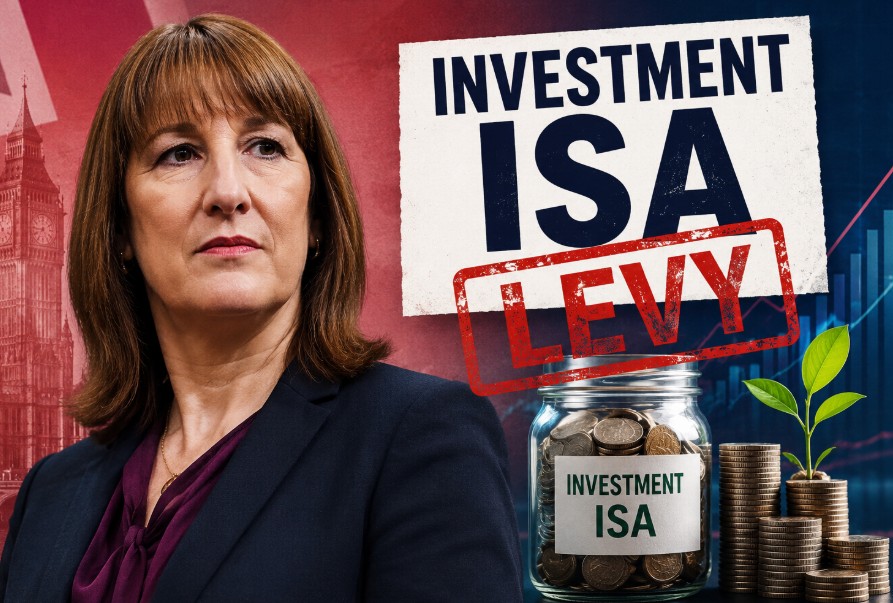
The Rachel Reeves investment ISA levy is a confirmed 22% charge on interest earned from cash held inside Stocks & Shares and Innovative Finance ISAs, set out by HMRC on 23 June 2026. It takes effect from 6 April 2027, alongside the £12,000 Cash ISA limit for under-65s, to stop savers using investment ISAs as tax-free cash accounts.
Key takeaways
- HMRC confirmed on 23 June 2026 that a flat 22% charge applies to cash interest in Stocks & Shares and Innovative Finance ISAs from 6 April 2027.
- The £20,000 total annual ISA allowance is unchanged, but under-65s can put no more than £12,000 of it into a Cash ISA from 6 April 2027.
- Money market funds can be held in a non-Cash ISA without the charge applying to them, but only if they make up less than 100% of the account.
- Transfers from a Stocks & Shares ISA into a Cash ISA will be blocked from April 2027, though the reverse direction will still be allowed.
What Is the Proposed Rachel Reeves Investment ISA Levy?
The levy is a confirmed anti-circumvention measure designed to stop investors using Stocks & Shares or Innovative Finance ISAs as a tax-free haven for cash savings once the Cash ISA limit is cut.
By imposing a flat 22% charge on cash interest within these accounts, HMRC closes the obvious workaround: without it, savers under 65 could simply move the £8,000 they can no longer put in a Cash ISA into a Stocks & Shares ISA and leave it sitting in cash, tax-free.
The Logic Behind ISA Reform
The government’s fiscal strategy is to stimulate UK market growth by prioritising capital allocation into equities and bonds.
Policymakers argue that the ISA regime was designed to support productive investment, not to provide an infinite tax-free shield for passive cash balances.
By incentivising the movement of capital into the market, the Treasury expects to contribute more directly to UK economic growth and strengthen public finances.
How Will the 2027 ISA Changes Affect Your Savings?
From 6 April 2027, the UK government is restructuring the ISA regime to shift retail capital toward investment-based assets.
While the overall £20,000 annual ISA limit remains unchanged, the specific Cash ISA allowance will drop to £12,000 for individuals under age 65.
Individuals aged 65 and over will remain exempt from this reduction, retaining their full £20,000 Cash ISA flexibility.
For official details on current ISA rules and upcoming changes, visit the GOV.UK Individual Savings Accounts guide.

Key Structural Adjustments
-
Reduced Cash ISA Limit: The annual allowance for Cash ISAs will drop to £12,000 for individuals under age 65.
-
Maintained Total Allowance: The overall £20,000 tax-free limit remains unchanged, forcing a redistribution toward Stocks & Shares ISAs.
-
Harmonised Tax Rates: The Treasury appears to be angling toward a 22% baseline for taxing interest within high-yield ISA vehicles.
-
Age-Based Exemption: Individuals aged 65 and over keep the £20,000 Cash ISA limit and are exempt from the new restriction on transferring a Stocks & Shares ISA into a Cash ISA. They are not exempt from the 22% charge on cash interest inside a non-Cash ISA, which applies at every age.
Can I Still Transfer Between ISAs?
From 6 April 2027, transfers from a Stocks & Shares ISA (or Innovative Finance ISA) into a Cash ISA will not be permitted, closing another route around the reduced Cash ISA limit.
Transfers in the other direction, from a Cash ISA into a Stocks & Shares ISA, remain unaffected. This transfer restriction is lifted once you turn 65, from the start of the tax year in which your birthday falls.
| Feature | Pre-April 2027 | From 6 April 2027 (under 65) | From 6 April 2027 (65+) |
|---|---|---|---|
| Cash ISA limit | £20,000 | £12,000 | £20,000 |
| Stocks & Shares/Innovative Finance ISA limit | Part of £20,000 total | Part of £20,000 total | Part of £20,000 total |
| Tax on cash interest inside a non-Cash ISA | Exempt | 22% charge (confirmed) | 22% charge (confirmed) |
| Transfer from non-Cash ISA to Cash ISA | Permitted | Not permitted | Permitted |
| Total annual ISA allowance | £20,000 | £20,000 | £20,000 |
While these structural changes are clear, the policy’s broader intent goes beyond simple limit adjustments. The Treasury is signalling a pivot in how it views the role of the ISA regime within the wider economy
Is Cash in a Stocks & Shares ISA Taxable?
Currently, interest earned on cash held within a Stocks & Shares ISA is tax-free. From 6 April 2027, the confirmed 22% charge will apply to this interest.
The rationale is to address cash drag, where investors keep large portions of their Stocks & Shares ISA in cash rather than investing in equities or bonds.
HMRC has also confirmed how cash-like holdings are treated: from April 2027, money market funds are the only asset type defined as cash-like, and they’re permitted inside a non-Cash ISA as long as they don’t make up the entire account.
Ordinary shares, funds, investment trusts, ETFs, and bonds (including gilts) are not affected by this rule.
While the core charge and rate are settled, a technical consultation on the detailed draft legislation is due to run before regulations are laid in autumn 2026, so some administrative detail may still be refined ahead of the April 2027 start date.
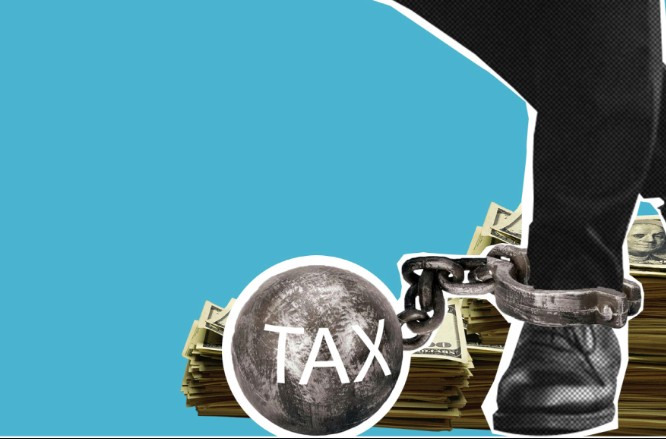
How Is the 22% Charge Collected?
You don’t need to do anything to pay it. ISA managers deduct the 22% charge and pay it to HMRC directly, the same way they already handle other ISA administration.
Savers don’t declare ISA interest on a Self Assessment return, and the Personal Savings Allowance has never applied to anything earned inside an ISA, that stays the case under the new rules.
This is separate from the wider rise in savings interest tax rates also starting 6 April 2027, which affects interest earned outside an ISA and is banded by income (22% basic rate, 42% higher rate, 47% additional rate).
The 22% ISA charge is a flat rate that applies to every non-Cash ISA holder regardless of their income tax band.
What Is the Economic Rationale Behind the Reform?
The government’s primary motivation for these ISA reforms is to drive capital into British businesses and productive assets to stimulate economic growth.
By limiting the amount of cash that can be held in a tax-free Cash ISA and potentially taxing idle cash in investment ISAs, the Treasury hopes to end the passive saving culture within these wrappers.
Policymakers argue that for the UK economy to thrive, retail capital must be deployed in growth-focused equities and business ventures, rather than sitting in stagnant bank accounts sheltered from tax.
This strategy aims to ensure the ISA system functions as a catalyst for investment rather than a simple shelter for low-yield savings.
Why Is the Government Targeting Cash in ISAs?
The government is targeting cash in ISAs to prioritise productive investment over passive savings. By applying a 22% levy to uninvested cash interest, the Treasury aims to discourage the use of investment wrappers as tax-free bank accounts, thereby driving retail capital into growth-focused UK equities and business ventures.
Managing Your Portfolio During Transitions
-
Audit current cash holdings: Identify the percentage of your ISA currently sitting as uninvested cash.
-
Evaluate investment objectives: Determine if this cash is intended for short-term liquidity or long-term growth.
-
Utilise Personal Savings Allowance: Leverage the £1,000 (basic rate) or £500 (higher rate) PSA outside of ISAs.
-
Consider money market funds: Shift from pure cash to low-volatility, income-generating instruments.
-
Review your platform fees: Ensure cash-interest policies on your platform remain favourable.
-
Consult long-term plans: Discuss with a professional if a pension wrapper offers better tax efficiency.
The Risks of Holding Cash in a Stocks & Shares ISA
Holding excessive cash in a Stocks & Shares ISA carries significant opportunity costs and tax risks.
Beyond the proposed 22% levy, inflationary pressure often exceeds interest rates on idle cash, meaning that the real-term value of your savings could diminish while staying sheltered within an investment-focused ISA wrapper.

Comparison of Savings Vehicles
Choosing the right savings vehicle depends on your specific financial goals, such as liquidity needs, time horizons, and risk tolerance.
Understanding the distinct tax and structural benefits of each account is essential for optimising your portfolio, especially with upcoming regulatory changes to ISAs.
The following table summarises the primary characteristics of the main savings options available to UK investors:
| Vehicle | Best For | Tax Efficiency |
| Cash ISA | Short-term safety | High (but restricted) |
| Stocks & Shares ISA | Long-term growth | High (if invested) |
| Standard Savings | Liquidity/Flexibility | Variable (uses PSA) |
How Does the Investment ISA Levy Impact SMEs, Startups, and Diverse Business Operations?
The 22% investment ISA levy reshapes business finance by altering liquidity management, director wealth strategies, and capital access for enterprises of all sizes.
-
Corporate & Personal Liquidity: Micro-businesses and owners utilizing investment wrappers for cash reserves face a 22% tax drag on interest, requiring updated cash-flow planning.
-
Capital Allocation Costs: SMEs must redirect surplus funds away from passive cash-holding vehicles toward active corporate investments or traditional business accounts.
-
Funding Ecosystem: The Treasury’s push to drive retail capital into UK equities aims to expand growth-capital access for scaling startups and service providers.
-
Compliance & Administration: Financial directors must adapt to automated platform deductions and adjust financial forecasting models well ahead of April 2027.
Conclusion
The status of this policy has moved from proposed to confirmed: HMRC set out the operative rules on 23 June 2026, so the practical next step for most savers is to check how much cash they’re currently holding inside a Stocks & Shares or Innovative Finance ISA, since that’s the balance the 22% charge will apply to from 6 April 2027.
Anyone under 65 also has until that date to make full use of the current £20,000 Cash ISA allowance before it drops to £12,000.
The technical detail still to come, via the autumn 2026 regulations, is unlikely to change the headline rate or start date, but is worth checking before making large, hard-to-reverse transfers.
Disclaimer: This article is for informational purposes only and does not constitute financial or tax advice; please consult a qualified professional before making any financial decisions.
FAQ
What is Rachel Reeves going to do with cash ISAs?
From 6 April 2027, the Cash ISA limit for under-65s falls from £20,000 to £12,000, while over-65s keep the full £20,000. Separately, a confirmed 22% charge applies to cash interest inside Stocks & Shares and Innovative Finance ISAs from the same date.
Can I give my wife 20k to put in an ISA?
Yes. Each spouse has their own separate £20,000 annual ISA allowance, so you can gift cash to your spouse and they can pay it into their own ISA. Gifts between spouses are not restricted by ISA rules, but the money becomes theirs to allocate.
Does Rachel Reeves plan to tax cash in stocks and shares ISAs?
Yes, this is now confirmed, not just planned. HMRC set out the rules on 23 June 2026: a flat 22% charge on interest earned from cash held in a Stocks & Shares or Innovative Finance ISA, effective 6 April 2027.
How much does a 20,000 ISA make in a year?
This depends entirely on how the money is held and what it earns; a Cash ISA paying around 4% would generate roughly £800 in a year, while returns from a Stocks & Shares ISA vary with market performance and aren’t guaranteed.
Do I need to declare the 22% ISA charge on my tax return?
No. ISA managers deduct the 22% charge and pay it to HMRC directly. You don’t need to report ISA interest on a Self Assessment return, and this hasn’t changed under the new rules.
Is the Lifetime ISA being scrapped alongside these changes?
The government announced alongside the June 2026 ISA reforms that the Lifetime ISA will be replaced by a new First-Time Buyer ISA, currently out for consultation, though this is separate from the cash ISA and 22% charge reforms.
Will the 22% charge apply to me if I’m over 65?
Yes. The age-based protections only cover the £20,000 Cash ISA limit and the transfer restriction. The 22% charge on cash interest inside a non-Cash ISA applies at every age.