
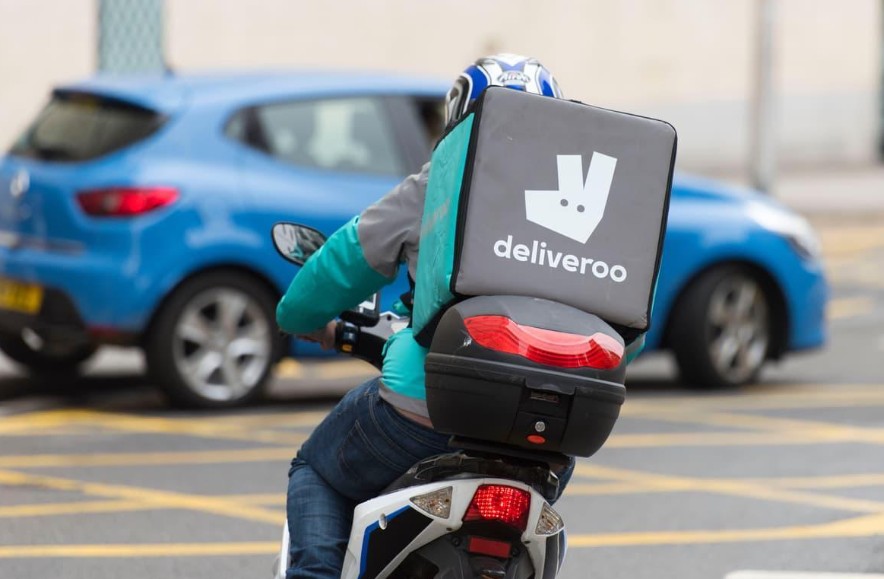
How Much Do Deliveroo Drivers Make in the UK?
Last Updated on
As of 2026, UK Deliveroo drivers typically earn between £10 and £14 per hour gross, combining base distance fees, customer tips, and peak-time incentives. Because couriers operate as self-employed independent contractors, net take-home earnings are heavily influenced by operational overheads, including vehicle fuel, mandatory insurance, maintenance, and self-assessment tax liabilities.
Key takeaways
- UK Deliveroo drivers average gross earnings between £10 and £14 per hour depending on local demand and delivery vehicle efficiency.
- Self-employed couriers must deduct vehicle insurance, fuel or charging expenses, routine maintenance, and platform fees from gross income.
- Operating during peak evening and weekend dinner rushes significantly boosts per-order surge multipliers and hourly take-home potential.
- Annual gross earnings for regular independent contractors generally range from £15,000 to £26,000 based on weekly hours and active shifts.
How Much Do Deliveroo Drivers Make?
As of 2026, Deliveroo riders average £10 to £14 per hour gross, synthesized from base fees, customer gratuities, and dynamic surge incentives.
Individual order allocations generally yield between £3 and £5 based on linear distance and package volume. Urban centers allow for tight route batching, whereas suburban routes involve higher mileage with extended return times.
Factoring in downtime between dispatches and vehicle overhead means true hourly productivity requires strict schedule management akin to running a micro-logistics business.
Regional Pay Variations and Economic Factors
Earnings fluctuate significantly depending on geographic density, regional merchant volume, and active working hours. Couriers operating in metropolitan hubs like London or Manchester secure the upper tier of hourly brackets, whereas regional towns yield lower baseline order volumes.
Because riders operate under self-employed models, income volatility requires disciplined cash flow management. Treating delivery shifts with commercial rigor ensures that variable expenses never quietly erode profit margins.
How Much Do Deliveroo Drivers Make Annually?
Annual gross revenue for UK Deliveroo contractors typically spans £15,000 to £26,000, heavily contingent upon weekly shift commitment and multi-app efficiency.
Sole traders treating the platform as a primary income stream must account for seasonal demand dips, weather disruptions, and platform algorithm changes. Strategic operators balance peak delivery windows with low-overhead vehicle maintenance schedules to protect net profitability.

While some treat it as a flexible side hustle alongside other work, others rely on Deliveroo as their main source of income.
Pay can fluctuate with demand, weather, and peak hours, making it a truly gig-based role that rewards those who are strategic about when and where they deliver.
Key Elements Affecting Deliveroo Rider Income
Deliveroo driver earnings depend on delivery distance, time, order volume, location, tips, surge pricing, vehicle type, and working hours efficiency.
Delivery Distance and Time
The length of each delivery and the time it takes directly affect how much a rider can earn. Shorter, efficient routes often allow more orders per hour, boosting overall income.
Order Volume and Peak Hours
Busy periods, such as evenings or weekends, tend to generate more orders. Riders working during these times can increase their earnings through higher order volume and tips.
Location Matters
Urban areas with dense restaurant networks often provide more delivery opportunities. City riders may earn more than those in suburban or rural locations due to proximity and demand.
Tips and Surge Pricing
Customer tips and surge pricing during high-demand periods can significantly increase pay. Riders who strategically work during peak times benefit the most.
Vehicle Type and Efficiency
Bikes, scooters, and cars all affect how quickly deliveries are completed. Riders with faster or more maneuverable vehicles often handle more orders in less time.
Working Hours and Planning
Consistent scheduling and strategic planning are key. Riders who maximize peak hours and minimize downtime generally see higher weekly earnings.
Fleet Efficiency and Asset Management
For sole traders, vehicle choice directly dictates net profitability. Operating a fuel-efficient scooter or an e-bike drastically reduces per-mile operational expenditure compared to running a standard combustion car in congested urban zones.
Tracking asset depreciation and minimizing idle engine time are vital practices borrowed from commercial fleet management that directly optimize courier net returns.
How Deliveroo Drivers Can Make Extra Income?
Increase Deliveroo driver earnings using multi-app deliveries, peak hours, referrals, expense tracking, fuel saving, tips optimization, and smart scheduling.
Multi-App Deliveries
Sign up for multiple platforms like Deliveroo, Uber Eats, or Just Eat to stay busy when one app slows down. Juggling apps can help you fill gaps, increase deliveries, and maximize earnings during peak hours.
Focus on Peak Hours
Target lunch and dinner rushes to make the most of high-demand times. Planning shifts around local busy periods and special events can significantly boost your hourly rate.
Track Expenses & Fuel
Keep a detailed record of fuel, maintenance, and other delivery costs. Efficient routes and mindful spending help you see your true earnings and save money while staying productive on the road.
Optimize Tips
Provide prompt service, communicate clearly with customers, and handle food with care. Consistently good service often leads to better tips, giving a meaningful boost to overall income.
Expenses Affecting Net Earnings
Deliveroo driver earnings are affected by fuel, vehicle maintenance, insurance, taxes, delivery time, tips, platform fees, and order distance costs.
While the advertised pay is £10–£13 per hour, these expenses can significantly reduce take-home income. Fuel and maintenance are usually the highest regular costs, especially for drivers covering long distances or using older bikes or scooters.
Insurance is mandatory, while platform fees and taxes further reduce earnings. Tips help, but they are inconsistent and can’t be relied on to cover all costs.
| Expense Category | Monthly Cost (30 hrs/week) | Impact on Net Margins |
| Fuel / Energy | £180 – £220 | Direct variable cost scaling with trip distance |
| Vehicle Maintenance | £50 – £70 | Routine servicing, tyres, and brake replacements |
| Hire & Reward Insurance | £60 – £80 | Mandatory legal requirement for food delivery |
| Self-Assessment Tax & NI | Variable (~15-20%) | Payable annually based on net taxable profit |
| Estimated Net Monthly Take-Home | £850 – £950 | Actual profit after subtracting operational overhead |
Corporate Financial Health Versus Courier Economics
Deliveroo continues to scale its market footprint, recording robust financial performance with group revenues surpassing £2.1 billion and accelerating gross transaction values.
However, this corporate growth coexists with ongoing debates regarding independent contractor welfare, fee structures, and the absence of traditional employee benefits such as sick pay and pension contributions.
For self-employed individuals, understanding these platform dynamics ensures realistic business planning without relying on corporate safety nets.
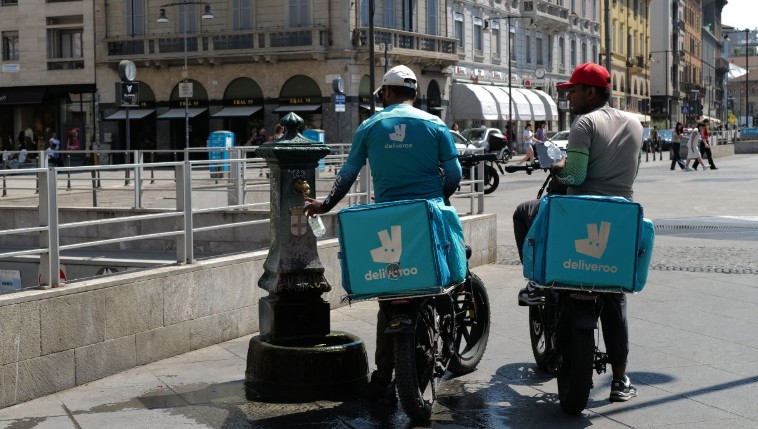
Riders also reported longer delivery times, reduced pay per order, and a lack of benefits like sick leave or pensions, prompting protests and calls for fairer treatment. This highlights the ongoing tension between Deliveroo’s corporate growth and rider welfare.
Conclusion
Evaluating Deliveroo driving through a commercial lens requires treating every shift like a micro-business operation. By tracking vehicle overheads, leveraging peak trading hours, and understanding self-employed tax compliance, sole traders can successfully turn gig-economy work into a predictable, optimized income stream.
Disclaimer: This article is for informational purposes only and does not constitute formal financial, tax, or legal advice. Independent contractors should consult with HMRC or a qualified professional regarding self-assessment and tax obligations.
FAQs
Do Deliveroo drivers have to register as sole traders with HMRC?
Yes. Because Deliveroo riders operate as self-employed independent contractors rather than traditional employees, you must register as a sole trader with HMRC, track all business expenses, and submit an annual self-assessment tax return.
What type of vehicle insurance is legally required for Deliveroo work?
Standard social, domestic, and pleasure car or motorcycle insurance does not cover commercial food delivery. Riders must purchase dedicated Hire and Reward (H&R) insurance coverage alongside standard motor insurance to remain legal on UK roads.
How much can a new Deliveroo driver earn in the UK?
New riders typically experience a ramp-up period where hourly gross earnings sit closer to £9–£11 per hour before mastering zone layouts, optimal timing windows, and multi-app efficiency strategies.
Can Deliveroo driving be run as a structured small business?
Yes. Many independent couriers treat delivery work like a micro-logistics enterprise, utilizing rigorous expense tracking, fuel optimization, and asset management to maximize net profit margins across multiple apps.
What operational costs reduce net Deliveroo income?
Primary deductions include commercial vehicle insurance, fuel or e-bike charging costs, regular maintenance, mobile data expenses, platform commissions, and income tax liabilities calculated on net profits.