How to Avoid Paying Tax on Your Pension in the UK
Last Updated on
For UK small business owners and limited company directors, optimizing pension contributions is one of the most effective ways to lower corporation tax liabilities while building retirement wealth.
By leveraging employer-backed contributions and structuring flexible personal withdrawals under the £12,570 personal allowance, you can legally extract business profits and draw retirement income completely tax-free.
Key Takeaways
-
Limited company directors can make pre-tax employer pension contributions up to £60,000 annually to reduce corporation tax bills.
-
You can access up to 25% of your pension pot entirely tax-free as a lump sum or through structured flexible drawdown.
-
Keeping total annual taxable income below the £12,570 personal allowance threshold eliminates income tax on pension withdrawals.
-
Utilizing spousal income splitting allows business owners to double tax-free family drawdown allowances up to £25,140 per year.
Why Limited Company Directors Hold a Unique Tax Advantage?
Unlike traditional PAYE employees, limited company directors can pay into their pensions directly via employer contributions rather than personal net income.
Because employer pension contributions count as an allowable business expense, they are deducted from your company’s profits before Corporation Tax is calculated.
This allows you to extract trapped cash from your business tax-efficiently while bypassing personal Income Tax and National Insurance contributions entirely.
1. What Part of Your Pension Is Actually Taxable?
First, it’s critical to understand how pensions are taxed in the UK.
Most pensions are treated as income. That means they’re taxed just like your salary, under Income Tax rules, once you start drawing them.
However:
- 25% of your pension pot (whether private or workplace pension) can usually be taken tax-free.
- The remaining 75% is taxed at your marginal income tax rate, currently 20%, 40%, or 45%, depending on your total annual income.
- Your State Pension is also taxable income, although tax is not directly deducted from it.
Important: For the 2026/27 tax year, the standard Income Tax personal allowance remains frozen at £12,570. For business owners balancing salary, director dividends, and pension income, planning withdrawals meticulously ensures you stay under personal tax thresholds.
2. How Can You Use the 25% Tax-Free Lump Sum?
When you begin to access your pension, you can take 25% of your total pot tax-free, either as:
- A single lump sum
- A series of smaller withdrawals (if using drawdown)
For example, if your pension pot is £100,000, you can take £25,000 tax-free. The remaining £75,000 would be taxed only as and when you draw it, not all at once.
Reinvest your 25% tax-free lump sum into commercial ventures, property holdings, or a corporate emergency buffer without triggering personal tax liabilities. Directors frequently use this liquidity to clear director’s loan account balances or fund secondary business initiatives cleanly.

3. How Much Pension Income Can You Withdraw Tax-Free Each Year?
If you’re not working and don’t have other forms of taxable income, the simplest way to avoid pension tax is to keep your annual pension withdrawals below £12,570, the Income Tax personal allowance.
Example scenario: You take £3,000 tax-free from your pension pot (part of the 25%), and an additional £9,000 from the taxable part. Because your total income is £12,000, you pay no income tax.
This is particularly effective for people in semi-retirement or those with multiple small income sources. Planning withdrawals to stay under the threshold can allow you to receive a modest yet tax-free retirement income.
4. Can a Pension Drawdown Help You Avoid Tax?

Flexible drawdown (also called flexi-access drawdown) allows you to leave your money invested while withdrawing portions as needed.
Unlike buying an annuity, drawdown gives you control, and with that control comes tax efficiency.
Here’s how to use it tax-smart:
- Take your 25% tax-free amount in smaller chunks as you need it.
- Withdraw just enough each year to stay under the tax threshold.
- Delay larger withdrawals to years when your income is lower (e.g., after stopping work).
This strategy lets you manage your annual tax exposure and avoid drawing large amounts that would bump you into a higher tax band.
5. Is It Worth Delaying Retirement to Avoid Pension Tax?
If you’re still earning and can afford to delay accessing your pension, there are two major tax advantages:
a) Boost Pension Contributions
You receive tax relief on contributions up to £60,000 per year (or 100% of your earnings, whichever is lower). For high earners or directors, this is a valuable way to reduce tax while growing your pension pot.
b) Defer Pension Withdrawals
The later you start drawing your pension, the more you can grow your tax-free lump sum and control your taxable income later on.
Plus, if you defer your State Pension, you’ll receive extra payments when you eventually claim, increasing your retirement income in a tax-efficient way.
6. Can You Use Your Partner’s Allowance to Reduce Pension Tax?
One of the most overlooked pension tax strategies is income splitting with your partner.
Here’s how it works:
- Each person has a £12,570 personal allowance.
- If one partner has no income, or earns less, you can structure your pension withdrawals to make the most of their allowance.
Example:
If your partner isn’t using their full allowance, drawing some of the pension in their name allows both of you to avoid tax. This could result in £25,140 of combined pension income per year, entirely tax-free.
This works especially well for business owners who can direct pension contributions for both partners during their working years.
7. What Are the Tax Benefits of Small Pension Pots?
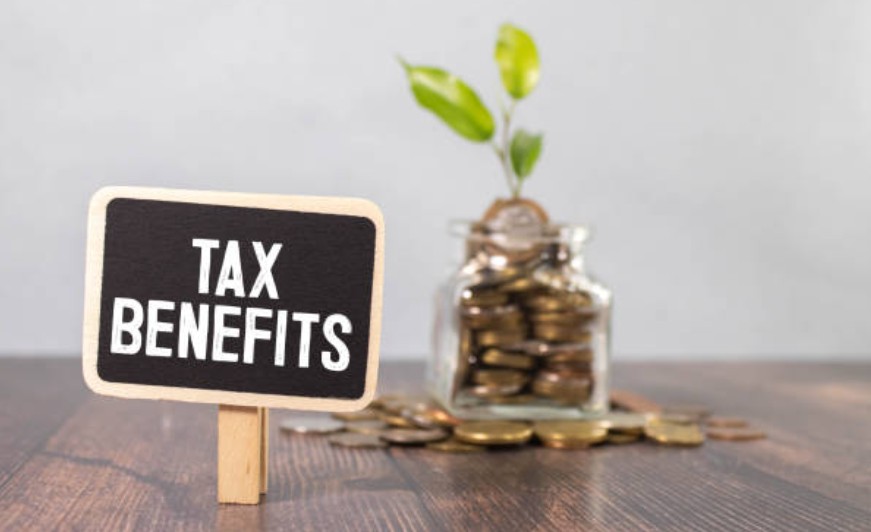
If you have several small pensions, you can cash in up to three of them worth £10,000 or less each, under the small pot rule.
- 25% of each pot is tax-free
- The remaining 75% is taxed, but again, if your total income is under the personal allowance, no tax is due
Tip: Small pots do not affect your annual allowance or trigger the Money Purchase Annual Allowance (MPAA), so they’re useful for extra tax-free income later in life.
8. How Can You Reduce Other Income to Stay Tax-Free?
Since all taxable income (including rental income, dividends, and part-time earnings) counts towards your tax threshold, keeping your non-pension income low can help avoid pension tax.
Here are some ways to do that:
-
Re-evaluate your director salary-to-dividend mix during high-earning years to control your adjusted net income.
-
Transfer business asset ownership or rental properties into a spouse’s name if they occupy a lower income tax band.
-
Utilize personal and corporate ISAs (capped at £20,000 annually) to generate completely tax-free returns outside of your company structure.
With smart planning, your overall income stays under the threshold, meaning more pension income stays in your pocket, tax-free.
9. What Is the MPAA and How Can You Avoid It?

The Money Purchase Annual Allowance is a trap to avoid.
Once you begin drawing taxable income from your pension, the amount you (or your employer) can contribute back into your pension drops from £60,000 to just £10,000 per year.
That’s a huge reduction, and it could affect your long-term tax strategy.
To avoid this:
- Only take the 25% tax-free lump sum and leave the rest invested
- Avoid triggering MPAA until you’re sure you’re done contributing
- Use alternative methods of income first (e.g., savings, ISAs)
This keeps your pension options flexible and ensures you can still benefit from full tax relief if your circumstances change.
Conclusion
As a business owner, integrating pension planning with your corporate tax strategy is vital for long-term wealth preservation. Review your accountant’s year-end recommendations, maximize your company’s allowable employer contributions before your accounting period closes, and map out a structured drawdown plan to protect your hard-earned capital.
Disclaimer: This article is for informational purposes only and does not constitute formal financial or tax advice. Always consult a qualified accountant or regulated financial adviser before making major pension decisions.
FAQS
How much pension income is tax-free in the UK?
For the 2026/27 tax year, the standard personal allowance is £12,570. Combined with the rule allowing you to withdraw 25% of your pension pot tax-free, careful structuring allows small business owners to draw modest retirement incomes without paying a penny in income tax.
What is the best way to avoid taxes in retirement as a business owner?
The most effective method is combining employer pension contributions during your working years with structured drawdown in retirement. By keeping total annual taxable income below personal allowance thresholds and leveraging spousal allowances, you minimize overall tax exposure.
Do I pay tax on my private pension in the UK?
Yes, private pension income is treated as taxable earned income under PAYE rules once you exceed your personal allowance. However, the initial 25% of your accumulated fund can be withdrawn completely tax-free.
What is the most tax-efficient way to take your pension?
Flexi-access drawdown is widely considered the most efficient method. It allows you to draw your 25% tax-free lump sum incrementally alongside micro-withdrawals from the taxable portion, ensuring you never inadvertently cross into higher tax brackets.
Can my limited company pay into my personal pension?
Yes. Limited companies can make direct employer pension contributions up to the annual allowance limit of £60,000 (for 2026/27), provided the total package remains commercially viable and an allowable business expense for corporation tax relief.