DWP £299 Cost of Living Payment: Complete Guide
Last Updated on
The DWP £299 Cost of Living Payment was a tax-free lump sum distributed between February 6 and February 22, 2024, to low-income households and benefit recipients across the UK. For small business owners, tracking these macroeconomic stimulus payments provided vital insight into consumer spending power, local retail demand, and household liquidity trends.
Key Takeaway
-
Distributed between 6 and 22 February 2024, the £299 payment directly targeted low-income households and select benefit claimants across the United Kingdom.
-
Small business owners monitor state support injections like the £299 payment to anticipate shifts in local consumer spending, high street footfall, and cash flow.
-
Qualifying benefit criteria included Universal Credit, Pension Credit, and tax credits assessed during the specific qualifying window of late 2023.
-
Ongoing household hardship funds and energy discount schemes continued to offer secondary financial relief well beyond the initial 2024 payment window.
What is the DWP £299 Cost of Living Payment?
The DWP £299 Cost of Living Payment assists qualifying UK citizens in managing rising bills, power charges, and everyday expenses, providing family budgets with a welcome injection.
The £299 payment was put in place to assist families in mitigating rising energy bills, the price of food, and other charges. With inflation impacting everyday spending, the government sought to be a pressure absorber for families and households living on tight budgets.
This payment was aimed primarily at low-income families, pensioners, and benefit claimants. It particularly assisted families with several bills or single-parent families struggling to make ends meet.
For most recipients, the £299 payment went into paying bills like heating, electricity, food, and transport, which helped to ease the pain of tight money months.
When was the £299 Payment Released?
The £299 was received on 6 – 22 February 2024, which was duly paid to deserving claimants and credited as a DWP or HMRC payment.
For the majority, the funds were seen going into the bank accounts within this window, as a welcome relief as it funded the expense of day-to-day essentials or surprise bills.
For independent enterprises, tracking these payout windows helps explain sudden shifts in monthly sales figures or footfall spikes. When government funds hit bank accounts en masse, local consumer-facing businesses often experience short-term bumps in discretionary spending.
Some recipients were notified of the payment, while some caught wind of it when they reviewed their statements.
It was among the government’s constant initiatives to assist families, and the majority thought it was an added welcome relief, particularly for people with bills, rent, or standard cost of living.
Releasing the payment at the beginning of the year enabled families to cope with holiday bills, increased energy bills, and other winter bills.
The payment didn’t need to be applied for. For convenience’s sake, the government utilized available records of benefits to determine recipients entitled to its payout to make it speedy and hassle-free to transfer.
Why Consumer Support Matters for Small Business Owners
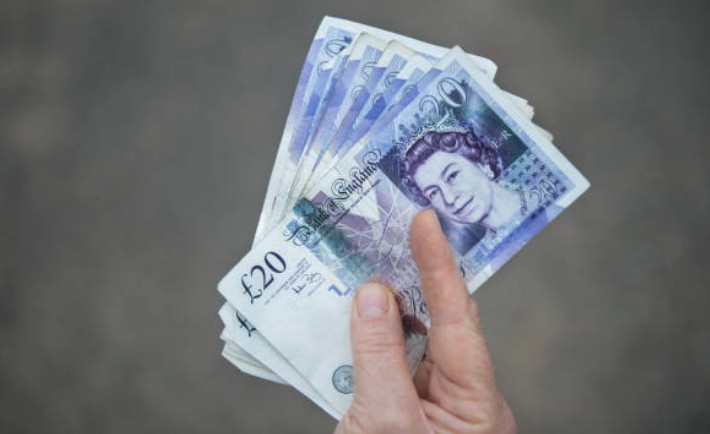
Macroeconomic policies directly dictate small business turnover. When lower-income households receive targeted fiscal relief, local micro-businesses, such as independent grocers, local service providers, and high-footfall retail shops, frequently notice immediate changes in local purchasing power. Monitoring these disbursement cycles allows proprietors to better forecast inventory needs and manage seasonal working capital.
Why was the £299 Cost of Living Payment Announced?
The £299 payment was introduced to ease financial burdens on low-income families facing higher living expenses, such as energy and food. It aimed at low-income families, pensioners, and disabled people to free them from distress in time.
It was the third and last of a set of cost-of-living support payments, following earlier payments in spring 2023 of £301 and autumn 2023 of £300.
The two payments were part of an extensive government strategy to mitigate pressures on living costs during the cost-of-living crisis.
Automatic Payment System
£299 payment is automatic for those on qualifying benefits, paid into bank accounts to reduce pressures on living costs. Automatic payment is secure and safe, with simple billing, recurring payments, and easy online subscription management.
Eligibility Verification
Automatic Payment System cross-checks recipients’ benefit records automatically. It covered only such recipients who were receiving qualifying benefits from 13 November to 12 December 2023.
This automatic check avoids the risk of error and makes sure only that the deserving people get the assistance for which they are eligible.
Method of Payment Delivery
Money was transferred directly into recipients’ benefits’ bank accounts. Payments usually show on statements as “DWP COL” or “HMRC COLS” for easy visibility.
Direct deposits eliminate paper checks or manual processing, thus saving time and enabling recipients to have timely access to money.
Benefits of Automation
The automated process implies that the recipients will no longer be asked to fill in forms, evading the delay and minimizing errors.
Besides, automation provides instant access to support so that recipients can simply cope with living expenses. The system is made to make life easier, safe, and hassle-free.
Who is entitled to the £299 Payment?
Understanding the baseline demographic for government aid helps small business owners evaluate their local customer base and community economic health. The £299 payment targeted individuals receiving specific means-tested benefits during the qualifying window of 13 November to 12 December 2023:
-
Universal Credit (low-income working or out-of-work claimants)
-
Pension Credit (older citizens on fixed incomes)
-
Income-based Jobseeker’s Allowance (JSA)
-
Income-related Employment and Support Allowance (ESA)
-
Income Support
-
Child Tax Credit and Working Tax Credit
For enterprise owners employing lower-wage staff, recognizing when employees might receive supplementary government support provides valuable context regarding workforce financial stability and regional economic welfare.
Special Considerations
Those in receipt of more than one benefit were only allowed a single payment of £299, to avoid unfairness while covering the full extent of the main low-income groups.
A lump sum payment was intended to provide additional assistance in covering essential costs, allowing families to pay bills, meet daily living expenses, and address unexpected financial pressures.
Method of Payment
The £299 payment can be made securely by bank transfer, electronic wallet, or in cash for a safe, timely, and traceable delivery.
For the majority, payment was paid directly into their bank accounts, transparently appearing as “DWP COL” or “HMRC COLS” on statements, to help ease tracking and verification.
Beneficiaries, too could make the payment by means of the most convenient payment. All payment avenues were made safe, quick, and fully traceable, so that individuals knew that their funds would be secure.
Steps to Repair Payment Issue
Individuals need to make sure that they are entitled to the qualifying benefits and refer to DWP or HMRC for help if the £299 payment has not been received.
Banking errors, account closures, or administrative delays might all result in nonpayment. Issues can be settled by recipients if a step is taken in good time.
Key Reminders:
- Ensure your bank details are accurate.
- Ensure you were in receipt of a qualifying benefit during the qualifying period.
- Inform DWP or HMRC of missing payment.
Other Strategies and Ongoing Support
Additional support is the Household Support Fund, Warm Home Discount, Cold Weather Payments, Pension Credit, and charitable grants to low-income families.
Household Support Fund (HSF)
Single one-off grants from local councils to assist with bill essentials, rent, or food for low-income families and those with unexpected bills.
- Average assistance: £100–£300
- Includes: Arrears on rent, fuel bills, food, and occasionally childcare
Warm Home Discount
Those qualifying homes get discounts on their electric bills to cut winter fuel bills.
- Average saving: £140–£150 per year
- Who is entitled: Pensioners, low-income families, and some benefit recipients
Short-term cash assistance in severe cold weather.
- Amount: £25 per week if it is 0°C or below for seven consecutive days
- Who is entitled: Benefit claimants such as Pension Credit or Universal Credit recipients
Pension Credit
Additional money for state pensioners for day-to-day living.
- Typical value: £200–£300 a month
- Benefits: Supplements low income and makes scheme eligibility, including Warm Home Discount
Charitable Grants
Charities provide one-off payments to families in urgent financial difficulties.
- Average grants: £50–£500
- Pays for: Emergency bills, appliances, school expenses, and temporary living costs
The DWP £299 cost-of-living payment was a one-off benefit to low-income families, pensioners, and benefit claimants, including heating bills and food.
Those who are missing out can check eligibility and contact DWP or HMRC. Support is still given by schemes such as the Household Support Fund, Warm Home Discount, and Pension Credit, which ease cost-of-living hardship.
Disclaimer: This article is for informational purposes only and does not constitute formal financial, tax, or legal advice.
FAQs
Can you live on £1000 a month in the UK?
Living on £1,000 a month in the UK is extremely challenging, particularly outside low-cost rental areas. After housing, council tax, and utility bills, very little discretionary income remains, making cost-of-living payments vital for household survival.
How much is the universal credit payment in the UK?
Universal Credit standard allowances vary by age and household structure. For single claimants over 25, the standard monthly allowance is over £390, with additional elements added for children, housing, and limited capability for work.
How much do people on benefits get per month in the UK?
Total monthly benefit amounts vary widely depending on personal circumstances, regional housing allowances, and household composition. Means-tested benefits combine standard allowances with specific top-ups for rent, disability, and dependents.
How did cost of living payments impact small business consumer spending?
Targeted state payments temporarily boosted local retail and service sector demand. Independent businesses in lower-income areas often saw short-term spikes in consumer spending immediately following government distribution windows.
What long-term financial support schemes remain available for struggling households?
Ongoing assistance includes the Household Support Fund administered by local councils, the Warm Home Discount scheme for electricity bills, Cold Weather Payments, and regular Pension Credit top-ups for eligible seniors.