
Small Business Loans: Ultimate Guide To Rates, Eligibility, Schemes
Small business loans UK provide essential commercial finance options from high street banks, online lenders, and state-backed schemes, helping registered companies, partnerships, and sole traders fund daily operations, equipment, and expansion.
UK applicants typically secure unsecured borrowing from £1,000 up to £250,000, or asset-backed funding exceeding £2,000,000, depending on credit history and affordability checks.
Key Takeaway
-
Essential small business loans UK solutions range from unsecured high street advances to government-backed enterprise schemes.
-
Borrowers must evaluate personal credit profiles, director guarantees, and strict eligibility thresholds before submitting applications.
-
Alternative finance providers and digital lenders offer faster approval times compared to traditional high street banking institutions.
-
Strategic planning and clear financial forecasting significantly improve the likelihood of securing favorable commercial interest rates.
What Is Small Business Loans UK?
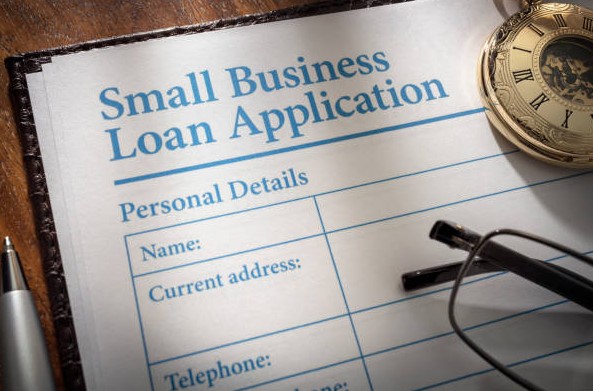
Small business loans UK represent the various commercial debt financing products available to registered companies, partnerships, and sole traders operating within the British economy.
These financial instruments allow enterprises to borrow capital for working capital, equipment acquisition, or business growth, subject to interest charges, credit assessments, and agreed repayment terms.
How Do Small Business Loans Work?
Commercial borrowing agreements operate by delivering a lump sum of capital from a financial provider to a trading enterprise, which is then repaid with interest across a set timeframe.
Unlike personal loans, lenders evaluate company turnover, cash flow reports, and operating history to calculate maximum lending limits.
The mechanics of commercial borrowing rely heavily on risk assessment. When a company applies for funding, underwriters examine balance sheets, tax returns, and credit bureaus such as Experian or Equifax Business.
Lenders structure these agreements as either term loans with fixed monthly installments or flexible revolving credit facilities.
In practice, directors often encounter stringent documentation requirements. A common pattern involves lenders requesting detailed cash flow forecasts for the next twelve to twenty-four months to prove debt serviceability.
When reviewing decisions, financial institutions look closely at debt-to-equity ratios and historical profit margins to mitigate default risks.
| Loan Feature | Traditional Bank Term Loan | Digital Direct Lender | Government-Backed Scheme |
| Typical Approval Time | 2 to 6 weeks | 24 to 48 hours | 1 to 3 weeks |
| Borrowing Amounts | £10,000 to £500,000+ | £1,000 to £250,000 | £500 to £2,000,000 |
| Secured vs Unsecured | Both available | Usually unsecured | Usually unsecured |
| Personal Guarantee | Often required | Frequently required | Variable (Scheme dependent) |
What Are the Best Small Business Loans UK Options?
The best UK business loan options depend on business maturity and asset ownership, ranging from traditional high-street bank overdrafts and structured term loans to automated digital direct lenders and government-backed enterprise programs.
High Street and Direct Lender Commercial Loans
High street banks like Barclays, Lloyds, and HSBC remain traditional pillars for business funding. These institutions offer structured term loans designed for asset purchases or long-term expansion.
Direct digital lenders, by contrast, focus on speed and automated data integration, much like services modeled after Loans Like CreditNinja, connecting directly with accounting software like Xero or QuickBooks to assess creditworthiness instantaneously.
Government-Backed Schemes and Enterprise Support
Government-backed schemes overseen by the British Business Bank provide critical risk-reduction support for participating lenders, featuring programs like the Growth Guarantee Scheme, Start Up Loans, and Regional Development Funds.
-
Growth Guarantee Scheme (GGS): Facilitates access to term loans and overdrafts for smaller businesses by providing lenders with a government-backed partial guarantee.
-
Start Up Loans: Delivers personal loans for business purposes to early-stage enterprises trading for less than three years, accompanied by free mentoring support.
-
Regional Development Funds: Offers localized grants and loan packages tailored to specific enterprise zones across the UK nations.
Funding Solutions for Sole Traders and Startups
Sole traders face distinct hurdles because personal and business finances are legally intertwined. Lenders offering small business loans UK sole trader products look closely at personal tax returns (Self Assessment SA100) and personal credit scores to underwrite the debt.
Startups without established trading records often rely on specialized enterprise loans, director-backed arrangements, or explore platforms similar to Likely Loans for early-stage director financing.
Who Can Get Small Business Loans?
Eligibility for small business loans extends to registered limited companies with consistent trading history, sole traders using personal tax assessments, startups utilizing specialized schemes, and adverse-credit borrowers working with specialist commercial lenders.
-
Registered Companies and Partnerships: Established limited companies with consistent trading history and robust balance sheets have access to the broadest spectrum of high street and digital commercial products.
-
Sole Traders and Startups: Sole traders face distinct hurdles because personal and business finances are legally intertwined. Lenders looking at sole trader applications review personal tax returns (Self Assessment SA100) and personal credit scores. Startups trading for less than three years often rely on specialized enterprise loans or director-backed funding arrangements.
-
Borrowers with Adverse Credit: Specialist commercial lenders evaluate the broader financial picture rather than relying exclusively on automated credit scores, often accepting higher interest rates, shorter terms, or tangible collateral.

How Much Small Business Loans Can Get?
UK businesses can typically borrow between £1,000 and £250,000 through unsecured commercial loans, while secured commercial loans and government-backed schemes can extend from £500 up to £2,000,000+ depending on asset valuation and lender criteria.
Borrowing capacities vary widely depending on whether the funding is unsecured or backed by physical business assets:
-
Unsecured Commercial Loans: Typically range from £1,000 to £250,000, relying primarily on business cash flow, turnover history, and alternative personal liquidity routes such as Loans Like Best Egg rather than physical collateral.
-
Secured Commercial Loans & Government Schemes: Loans backed by commercial property, heavy machinery, or government guarantees (such as the Growth Guarantee Scheme) can extend from £500 up to £2,000,000+ depending on asset valuation and lender criteria.
What Is the Interest Rate for Small Business Loans in the UK?
UK small business loans interest rates vary based on whether the facility is secured or unsecured, with representative APRs typically ranging from 7.5% to over 25% variable, alongside repayment terms spanning 1 to 10 years and arrangement fees between 1.5% and 5.0%.
Interest structures vary significantly based on whether the facility is secured against property or issued purely on business credit.
Variable rates track the Bank of England base rate, whereas fixed rates lock in repayments for budget certainty.
Using a business loan calculator UK tool helps directors project total cost of borrowing accurately. These digital calculators factor in the principal amount, interest rate (APR or flat rate), and repayment term length to reveal the exact monthly commitment.
| Financial Metric | Typical Range / Detail | Impact on Application |
| Representative APR | 7.5% to 25.0+ variable | Dictates total cost of capital |
| Repayment Terms | 1 to 10 years | Affects monthly cash flow pressure |
| Arrangement Fees | 1.5% to 5.0% of loan value | Deducted upfront or added to balance |
How Can You Qualify for Small Business Loans UK with Bad Credit?
Securing commercial finance with a checkered financial history requires targeted strategies and alternative lending pathways. Traditional high street banks routinely reject applications featuring recent county court judgments (CCJs) or missed payment milestones.
Specialist commercial lenders evaluate the broader picture rather than relying exclusively on automated credit scores.
When reviewing applications from businesses with adverse credit, underwriters may accept higher interest rates, shorter repayment terms, or refer to options akin to very bad credit lenders when personal assets are tied up.
Consider the case of a Midlands-based logistics firm that suffered temporary cash flow disruptions during a major client restructuring, resulting in two delayed supplier payments.
By providing transparent management accounts, proving subsequent profit recovery, and offering commercial vehicle security, the directors successfully secured a specialized business advance without facing predatory lending terms.

How to Successfully Apply for Small Business Loans UK Direct Lenders?
Securing approval for commercial finance involves a structured sequence: tidying up credit files, working out exact funding needs, compiling two years of accounts, drafting a robust business plan, and comparing offers across multiple direct lenders.
-
Review and clean up both personal and business credit reports to identify and rectify any inaccuracies.
-
Calculate the exact capital requirement needed, avoiding over-borrowing that strains operational cash flow.
-
Gather mandatory financial documents, including two years of filed accounts, recent bank statements, and tax returns.
-
Prepare a comprehensive business plan outlining revenue streams, market positioning, and clear exit or repayment strategies.
-
Research and shortlist suitable lenders, comparing eligibility criteria, interest rates, and arrangement fees.
-
Submit the formal application through the lender portal with all supporting verification files attached.
-
Respond promptly to underwriter inquiries regarding asset valuations or additional cash flow clarification.
Conclusion
Securing appropriate commercial financing requires careful alignment between cash flow capabilities and funding structures.
Business owners should audit their current financial health, gather historical accounting records, and compare multiple lending offers before committing to a facility.
Taking time to model repayments against realistic revenue forecasts ensures long-term business stability.
Disclaimer: This article provided for informational purposes only and does not constitute formal financial or legal advice; consult a qualified advisor before entering into credit agreements.
FAQ
What is the easiest small business loan to get approved for in the UK?
Unsecured online business loans and merchant cash advances represent the most accessible funding types. Because digital lenders automate underwriting via live bank feed analysis, approval decisions happen rapidly without requiring physical asset collateral.
Can I get startup funding or a small business loan as a sole trader?
Yes, sole traders can access specific commercial loans and government-backed startup programs. Lenders evaluate personal income history, tax calculations, and personal credit profiles to determine maximum borrowing limits for unincorporated entities.
How do government-backed schemes like the Growth Guarantee Scheme work?
The Growth Guarantee Scheme provides participating lenders with a government guarantee on a portion of the facility. This reduces lender risk, encouraging approval for small businesses that might otherwise fall short of strict commercial lending thresholds.
Do I need a personal guarantee for a small business loan?
Most unsecured commercial loans require directors to sign a personal guarantee. This legally binds the individual to repay the corporate debt from personal assets if the registered company enters insolvency or defaults.
What are the risks and hidden costs of taking a commercial loan?
Primary risks include cash flow distress from fixed monthly repayments and potential loss of collateral or personal assets. Hidden costs frequently involve early repayment charges, arrangement fees, CHAPS transfer fees, and mandatory audit requirements.
How much can a business borrow through a standard UK commercial loan?
Unsecured commercial loans typically range from £1,000 to £250,000, while secured loans backed by commercial property or heavy machinery can extend into millions depending on asset valuation.
Are there options for small businesses with no credit history?
New businesses with zero credit history can pursue government-backed startup loans, director-backed personal loans, or asset finance arrangements where the purchased equipment acts as inherent security.




2 Comments