

Self-Employed Gardener Hourly Rate UK: 2025 Guide to Pricing, Costs, Earnings
Last Updated on
As of 2026, self-employed gardeners in the UK typically charge between £30 and £40 per hour, though rates fluctuate based on location, service complexity, and equipment requirements. Solo operators often adjust these figures to account for travel, waste disposal, and ongoing maintenance costs to ensure a sustainable profit margin.
Key Takeaway
-
Starting a professional gardening business requires an initial investment of £1,500 to £4,000 for essential hand tools, power equipment, and annual liability insurance.
-
Professional landscapers leading teams can earn up to £35,000 annually, while self-employed sole traders must balance variable seasonal income with overheads.
-
Most residential gardening clients expect a minimum booking of one to two hours per visit to cover the gardener’s transit and equipment setup time.
-
To remain competitive and profitable in 2026, independent gardeners should focus on long-term maintenance contracts rather than one-off, low-margin tasks.
Average Self-Employed Gardener Hourly Rate UK
As of 2026, professional self-employed gardeners typically charge between £30 and £40 per hour. Lower rates often reflect entry-level services, while higher fees account for specialized equipment, insurance, and professional-grade maintenance.
The professional landscapers who charge for high-end services like landscaping, hedge trimming, or plant placement will naturally be more costly.
Other elements that play into figuring the final price tag vary from how far they have to travel to get there to how many times they will have to come out and providing materials like dirt, plants, or fertilizer.
Most gardeners offer custom packages, which could be one-off work in the garden, weekly visits, or seasonal clear-outs so that the owners can choose what suits them as far as budget and needs are concerned.
The costs are quite varied as a whole, but with the services of a seasoned independent gardener, one is able to have a tidy, well-cared-for garden year-round.
Common Gardening Tasks & Their Average Costs
General gardening tasks include weeding, watering, pruning, planting, fertilizing, mulching, harvesting, mowing, pest management, composting, and soil maintenance.
In addition, gardeners also take note of plant maintenance, bug spotting, soil fertilizing, and seasonal activities like spring planting or autumn cleanup. Planting mix, companion plant selection, and pollinator planning contribute to making gardens thrive.

With adequate watering, sunlight, and pruning, mini gardens develop and thrive throughout the year.
Pricing Guide by Task:
- Mowing grass: £20–£40 per hour
- Weed clearing: £20 per hour
- Trimmings of hedges: £20–£40 per hour
- Clearing the garden: £41.25 per hour
- Planting & Mulching: £20–£35 per hour
- Pruning & Maintenance: £25–£40 per hour
- Composting & Soil Care: £20–£30 per hour
- Landscape Design: £60+ per hour
| Task | Estimated Hourly Rate (2026) |
| Lawn Mowing | £30–£40 |
| Weed Clearing | £30–£35 |
| Hedge Trimming | £35–£45 |
| Planting & Mulching | £30–£40 |
| Garden Clearance | £40–£50 |
More technical work, like tree surgery or landscape design, may cost more.
Factors that Affect an Independent Gardener’s Hourly Rate
The independent gardener’s hourly pay is affected by experience, ability, location, customer demand, equipment/tools, activity type, season, travel, and labor.
Task-specific labor like hedging, grass cutting, or gardening can be charged higher depending on the level of experience, time, and equipment involved.
Finally, the effort of one gardener to get good pay on competitive prices delights customers with good service while doing a thriving business.
Experience and Specialization
A gardener’s professional expertise and experience are vital factors in rates. Experts specializing in the subject of landscaping, plant care, or exotic trimming can charge higher per hour.
Location
Rates depend on the location where the gardener is working. Gardeners can charge higher rates in city areas or affluent neighborhoods compared to suburbs with less clientele.
Services Provided
The charge is determined by the type of work. Easy tasks like hedge clipping or lawn mowing primarily necessitate low charges, while intricate tasks like garden renovation, planting schemes, or landscape design necessitate high-quality charges.
Tools and Materials
“No tools or materials,” at least to private gardeners. They use their own equipment and materials. Equipment, fertilizers, and specialty equipment costs are factored into hourly prices to cover for revenues that cover cost and time.
Seasonal Variation
The work is seasonal. Spring and summer are peak seasons, and therefore, higher prices; winter off-season, and gardeners will adjust their prices accordingly.
Travel and Effort
Distance covered, availability, and quality of activity impact the fee. Greater traveling distances, inaccessible gardens, or very time-consuming work naturally translate into higher hourly rates, and a long-term agreement may provide a few pounds an hour.
Agencies vs Self-Employed Gardeners
Agencies offer insured, vetted gardeners at fixed prices and security; self-employed gardeners are low-cost, frequently cheaper, but experience, quality, and risk all very unreliable.
| Task | Self-Employed Gardeners | Agencies |
| Lawn Mowing | £15–£30 per session, may bring own mower | £25–£40 per session, includes equipment and disposal |
| Hedge Trimming | £20–£35 per session, quality can vary | £30–£50 per session, insured and professional finish |
| Weeding & Plant Care | £12–£25 per hour, depending on skill level | £20–£35 per hour, includes expertise in plant health |
| Garden Clearance | £30–£70 per visit, may require extra for disposal | £50–£100 per visit, includes waste removal |
| Tree Pruning | £40–£90 per tree, risk depends on experience | £60–£120 per tree, insured and experienced staff |
| Seasonal Planting | £15–£35 per session, skill varies | £25–£50 per session, includes advice and proper techniques |
| Patio & Path Maintenance | £20–£45 per session, depending on the equipment brought | £30–£60 per session, uses professional tools |
Related Article: Self-employed cleaners hourly rate uk
Issues in the Business of an Independent Gardener
Single gardeners also face issues like variable income, acquiring customers, seasonal variation, costly equipment, time, advertising, and regulation issues.
1. Income and Seasonal Problems
Home gardening experts experience seasonal revenues with the seasons of the year; hence, proper financial planning is more complex.
- Busy Seasons: The spring and summer seasons are the busiest seasons in planting, landscaping, and garden care. Gardeners may have multiple clients simultaneously, hence time management is essential.
- Off-Peak Months: Autumn and winter months usually experience low season demand, and this can result in income deficits and cash flow pressure.
Tactics: Diversify services with year-round services such as indoor plant maintenance or patio service, acquire long-term maintenance contracts, reserve some income from peak-season labor, and market early enough to capture customers ahead of seasonal demand.
2. Client Acquisition and Retention
Client acquisition and client retention are required for stable work and business growth.
- Getting Clients: Gardeners rely significantly on word of mouth, web advertising, neighbourhood promotions, or dealing with landscape material providers.
- Retaining Customers: Confidence and belief in quality generate repeat trade and word-of-mouth recommendations.
Tips: Give loyalty discounts, employ before-and-after pictures on the internet, ask for referrals, and follow up on customers.
3. Business and Operations Management
Handwork does not cover the work required to maintain a gardening company. Admin work is hectic and time-wasting.
- Time Management: Booking numerous jobs, commuting to and from locations, and tackling customers can get out of hand if schedules are not planned.
- Invoicing and Payments: Invoicing, chasing overdue debts, and budgeting are required for balanced cash flow.
Solutions: Utilize scheduling software like Jobber or Google Calendar, bookkeeping software like QuickBooks, and outsource non-core functions like bookkeeping or marketing.
4. Equipment and Safety
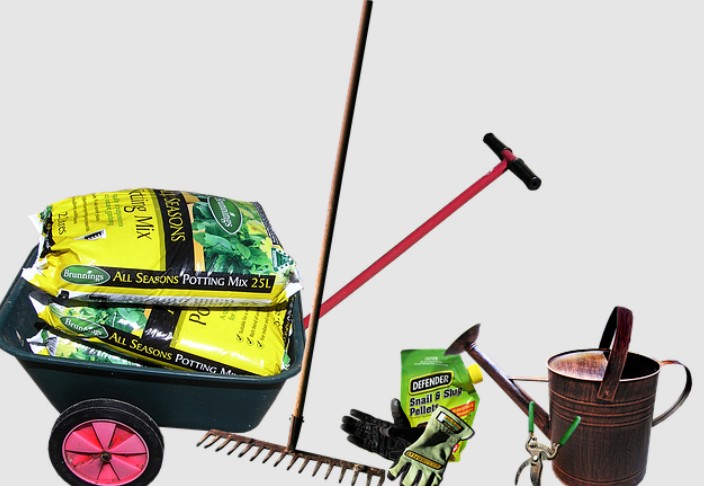
Equipment, machinery, and protective equipment are expensive but necessary. Maintenance prevents delays, injury, and loss of funds.
When scaling your business, prioritize professional-grade tools to reduce long-term costs. For example, a quality petrol rotary mower typically costs £300–£600 and offers better uptime than residential alternatives. Always allocate a portion of your hourly rate to cover fuel, servicing, and annual Public Liability Insurance, which usually ranges from £100–£250 per year.
- Equipment Costs: Good quality equipment and tools in good condition add to overheads.
- Safety Risks: Handling sharp tools, chemicals, or heavy machinery opens the risk of injury.
- Policies: Budget for repair, purchase good-quality equipment, meet health and safety requirements, and insure against risks such as public liability insurance.
5. Legal Requirements and Legislation
Self-employed gardeners must stay within UK legislation to avoid fines, legal issues, and company disruption.
- Tax Rules: Register with HMRC and produce accurate self-assessment tax returns. Keep very accurate records of money received and paid out.
- Employment Law: When employing staff or subcontractors, provide them with contracts, remunerate them with fair wages, and comply with health and safety legislation.
- Environmental Law: Comply with pesticide use legislation, refuse disposal, and compliance with local council requests to work lawfully and safely.
How to Maximise Income as a Self-Employed Gardener?
Maximise income of self-employed gardeners by offering landscaping, lawn trimming, hedge cutting, seasonal work, and garden design services in a more efficient way.
To achieve maximum revenue, one should:
- Specialise: Offer specialist services like landscape design or tree cutting.
- Upskill: Obtain qualifications to gain confidence and secure more well-paying clients.
- Networking: Establish customer relationships and other specialists and refer clients.
- Efficient Time Management: Plan operations to achieve the maximum amount of work carried out on a day.
Conclusion
To maximize income in 2026, shift your focus from low-margin lawn cuts to specialized services like hedge maintenance and seasonal planting. Prioritize building a database of long-term contract clients over one-off visits.
Local plants, green spaces, and ecobrutalism are making greener, low-maintenance landscapes with wildlife support and lower environmental signatures.
Community gardens and food gardens are also on the increase, building local food production and community participation.
Disclaimer: The pricing figures, tax guidelines, and business operation insights provided in this article are for general informational purposes only and do not constitute formal financial, legal, or professional business advice.
FAQS
How much does it cost to start a gardening business in the UK?
Starting a lean gardening business in 2026 costs roughly £1,500 to £4,000. This covers essential power tools like strimmers and mowers, hand tools, protective clothing, and necessary public liability insurance for your first year.
What is the average salary for a landscaper in the UK?
Employed landscapers typically start at £16,000 to £19,000, rising to £35,000 for experienced leads. Self-employed gardeners have higher earning potential but must manage their own taxes, equipment costs, and seasonal income fluctuations.
Do I need to be a full-time gardener to start?
No. Many successful owners begin as evening or weekend operators to test their local market and build a client base before transitioning to full-time work, which helps manage early-stage cash flow risks.
Should I offer one-off clearances or maintenance contracts?
While one-off clearances provide quick cash, recurring maintenance contracts are the backbone of a stable business. They ensure predictable weekly or monthly income, allowing for better schedule planning during the busy spring and summer months.
How do I set myself apart from local agencies?
Emphasize the personal, one-to-one relationship you offer. Unlike large agencies, you provide consistent, familiar service, which builds the trust necessary to earn high-value referrals from neighbors and existing clients.